
Role of Inspectors in Home Buying Explained

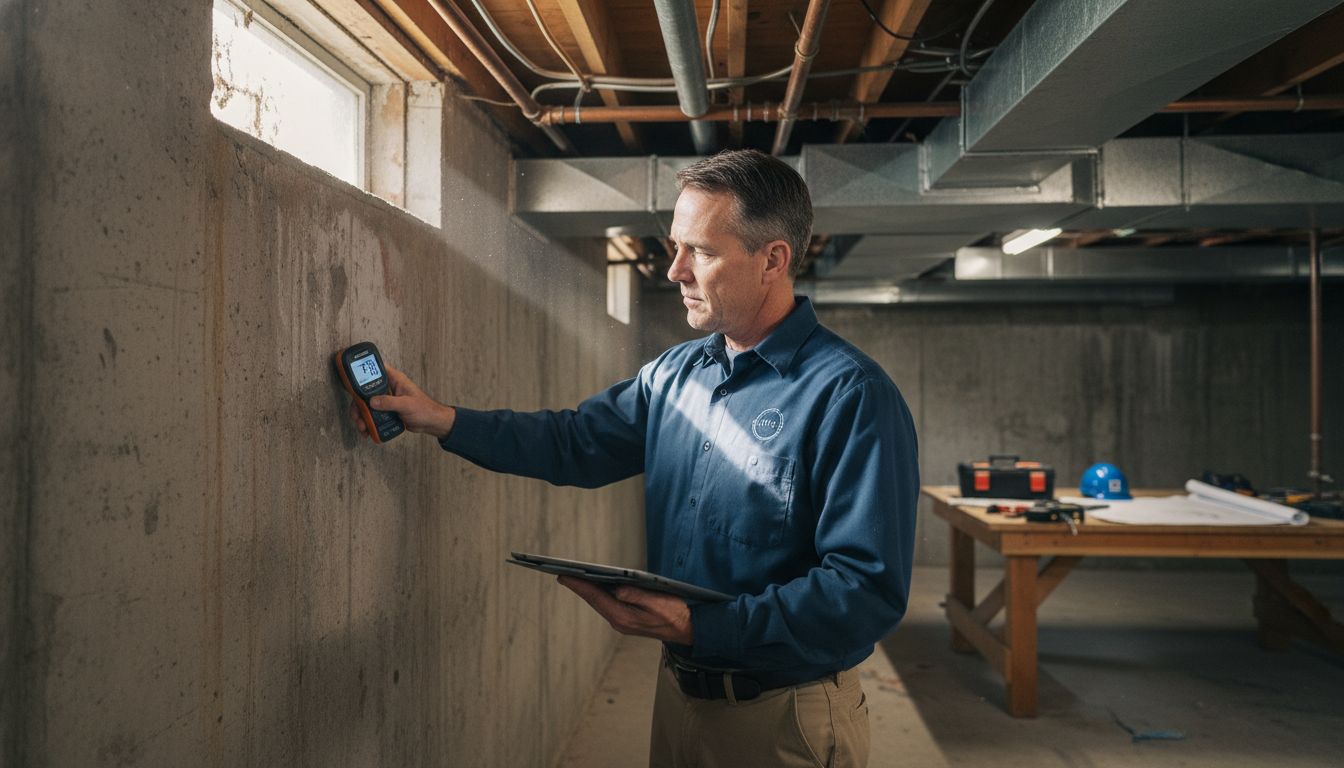
Over 90 percent of homebuyers rely on professional inspectors to help avoid hidden property nightmares. Buying a home is a major investment, yet even beautiful houses can harbor costly issues beneath the surface. Understanding exactly what an inspector does and how their findings impact your decision is the key to protecting both your budget and peace of mind. This guide will clarify every step, giving you the confidence to make informed choices throughout the home buying process.
Table of Contents
Key Takeaways
Point | Details |
Importance of Home Inspectors | Home inspectors provide critical evaluations that uncover hidden property issues, protecting buyers from costly mistakes. |
Types of Inspections | Various inspection types, including buyer’s, seller’s, and specialized assessments, cater to specific needs within the real estate process. |
Key Steps in the Process | The inspection process involves thorough checks of structural integrity and critical systems, culminating in a detailed report for informed decision-making. |
Selecting the Right Inspector | Choosing a licensed inspector with regional expertise is essential for addressing unique environmental challenges in Gulf Coast Alabama. |
Understanding Home Inspectors’ Role in Buying
Home inspectors serve as critical gatekeepers in the real estate transaction process, providing an essential professional evaluation that protects homebuyers from potentially costly hidden property issues. Their primary mission involves conducting comprehensive property assessments that go far beyond surface-level observations, uncovering structural problems, safety concerns, and potential maintenance challenges that could impact a property’s value and livability.
A professional home inspector functions like a detective, meticulously examining every critical system and structural component of a property. Their detailed investigation typically covers multiple key areas:
Structural Integrity: Assessing foundation, walls, roof, and overall building stability
Electrical Systems: Checking wiring, panel boxes, and potential safety hazards
Plumbing: Evaluating pipes, water pressure, potential leak risks
HVAC Performance: Examining heating, cooling, and ventilation systems
Environmental Factors: Identifying potential mold, radon, or pest issues
Buyers benefit tremendously from a professional inspection because these experts provide an unbiased, objective assessment that can prevent significant financial mistakes. Understanding the Role of Inspector in Real Estate highlights that inspectors aren’t just looking for problems but are providing a comprehensive roadmap for potential property investments.
The inspection process typically involves a systematic, thorough examination that takes several hours, depending on the property’s size and complexity. Inspectors use specialized equipment like thermal imaging cameras, moisture meters, and electrical testers to detect issues invisible to the untrained eye. Their final report serves as a critical document that can influence purchase negotiations, reveal necessary repairs, and provide buyers with complete transparency about their potential investment.
While an inspection isn’t a guarantee against future problems, it represents one of the most important steps in responsible home buying. Professional inspectors like those at Trinity Home Inspections bring years of technical expertise, ensuring that buyers have a comprehensive understanding of a property’s condition before making one of the largest financial decisions of their lives.
Types of Home Inspections and Services Offered
Home inspections are far more nuanced than most homebuyers realize, with multiple specialized services designed to address specific property assessment needs. According to Wikipedia, home inspections encompass several critical types, each serving a unique purpose in the real estate transaction process.
The primary types of home inspections include:
Buyer’s Inspection: A comprehensive evaluation of a property’s condition before purchase
Seller’s Pre-Listing Inspection: Identifying potential issues before putting a property on the market
Four-Point Inspection: Focused assessment of four major home systems (electrical, plumbing, roofing, HVAC)
Foreclosure Inspection: Specialized assessment of bank-owned or distressed properties
Disaster Recovery Inspection: Evaluating property damage after natural events
7 Types of Inspectors Every Homebuyer Should Know highlights the importance of understanding these specialized services. Each inspection type provides unique insights that go beyond a standard property evaluation, helping buyers and sellers make informed decisions.
Professional home inspection services often include additional specialized assessments tailored to specific property characteristics. These might involve radon testing, pest inspections, mold assessments, or energy efficiency evaluations. Some inspectors offer advanced technologies like thermal imaging to detect hidden structural or electrical issues that traditional visual inspections might miss.
For homebuyers in the Gulf Coast region, selecting the right type of inspection is crucial. Factors like local climate, property age, and environmental conditions play a significant role in determining which inspection services are most appropriate. A comprehensive approach ensures that potential buyers fully understand a property’s condition, potential maintenance needs, and any underlying issues that could impact their investment.
Key Steps in the Home Inspection Process
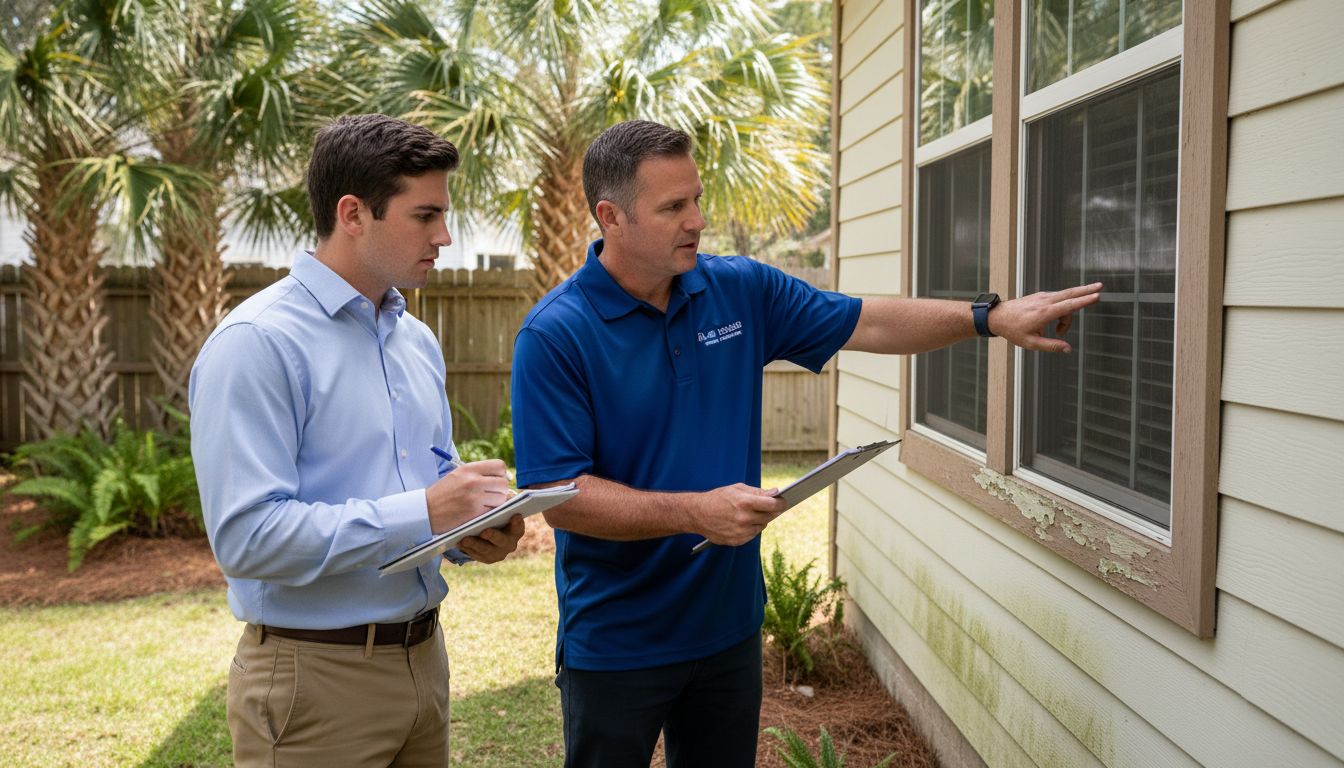
According to the USDA Rural Development, the home inspection process involves a comprehensive evaluation of critical property systems to ensure operational integrity and identify potential issues. This meticulous assessment goes far beyond a casual walkthrough, representing a critical step in protecting a buyer’s substantial financial investment.
The home inspection typically follows a structured process with several key stages:
Pre-Inspection Preparation
Scheduling the inspection
Gathering property documents
Arranging access with current homeowners
Comprehensive Property Assessment
Exterior structural evaluation
Interior system inspections
Detailed documentation of findings
Technical System Examination
Electrical system analysis
Plumbing infrastructure review
HVAC functionality testing
Roof and foundation structural assessment
First Time Homebuyer Inspection Steps for Success emphasizes the importance of understanding each stage of this critical process. Professional inspectors systematically examine every accessible component, using specialized tools and techniques to uncover potential hidden issues that might not be visible during a casual property viewing.
The final stage involves a comprehensive report detailing the inspector’s findings. According to the Builders and Realtors Association, this report assesses the property’s condition across multiple critical areas, including structure, exterior, roof, plumbing, electrical systems, and HVAC functionality. The detailed documentation serves as a crucial decision-making tool, helping buyers understand potential repair costs, negotiate pricing, or even reconsider their purchase if significant problems are discovered.
For Gulf Coast Alabama homebuyers, the inspection process is particularly critical given the region’s unique environmental challenges. Factors like humidity, potential storm damage, and coastal environmental conditions make a thorough, professional home inspection not just recommended, but essential for making an informed real estate investment.
Inspector Qualifications and Industry Standards
According to the Federal Housing Finance Agency, professional home inspectors must possess comprehensive knowledge of home construction, installation techniques, maintenance protocols, and safety standards. These professionals are not just casual observers, but highly trained experts who provide critical, impartial assessments that protect potential homebuyers from significant financial risks.
The core qualifications for professional home inspectors typically include:
Technical Education: Specialized training in building sciences
Certification: Rigorous professional accreditation
Continuing Education: Regular training to stay current with industry developments
Technical Expertise: In-depth understanding of:
Structural systems
Electrical infrastructure
Plumbing networks
HVAC technologies
Environmental assessment techniques
Inspector Certification: Everything You Need to Know highlights the complex requirements for becoming a professional home inspector. Certification involves comprehensive testing, practical experience, and ongoing professional development to ensure inspectors can provide accurate, reliable assessments.
According to KAPRE, home inspectors must maintain an extraordinary level of objectivity, providing assessments that neither overstate nor understate potential property issues. This balanced approach requires not just technical knowledge, but also professional integrity and communication skills that help buyers make informed decisions.
In the Gulf Coast region, these standards become even more critical. Local environmental challenges like hurricane risks, humidity-related structural concerns, and unique coastal building conditions demand inspectors with specialized regional expertise. Professional home inspectors in this area must understand not just general building standards, but the specific environmental nuances that impact property integrity and long-term maintenance requirements.
Common Issues Uncovered and Buyer Actions
According to Property24, home inspections can reveal critical hidden problems that might otherwise remain undetected, potentially saving homebuyers thousands of dollars in unexpected repair costs. These discoveries range from minor maintenance issues to significant structural defects that could dramatically impact a property’s value and livability.
The most common critical issues uncovered during home inspections typically include:
Structural Problems
Foundation cracks
Roof damage
Uneven settling
Compromised load-bearing walls
System Failures
Outdated electrical wiring
Plumbing leaks
HVAC inefficiencies
Inadequate insulation
Environmental Concerns
Mold growth
Pest infestations
Radon contamination
Water drainage issues
Home Inspection Repair Guide for Confident Buyers and Sellers provides crucial insights into navigating these potential challenges. When significant issues are discovered, buyers have several strategic options to protect their investment.
Buyers’ potential actions after an inspection can include:
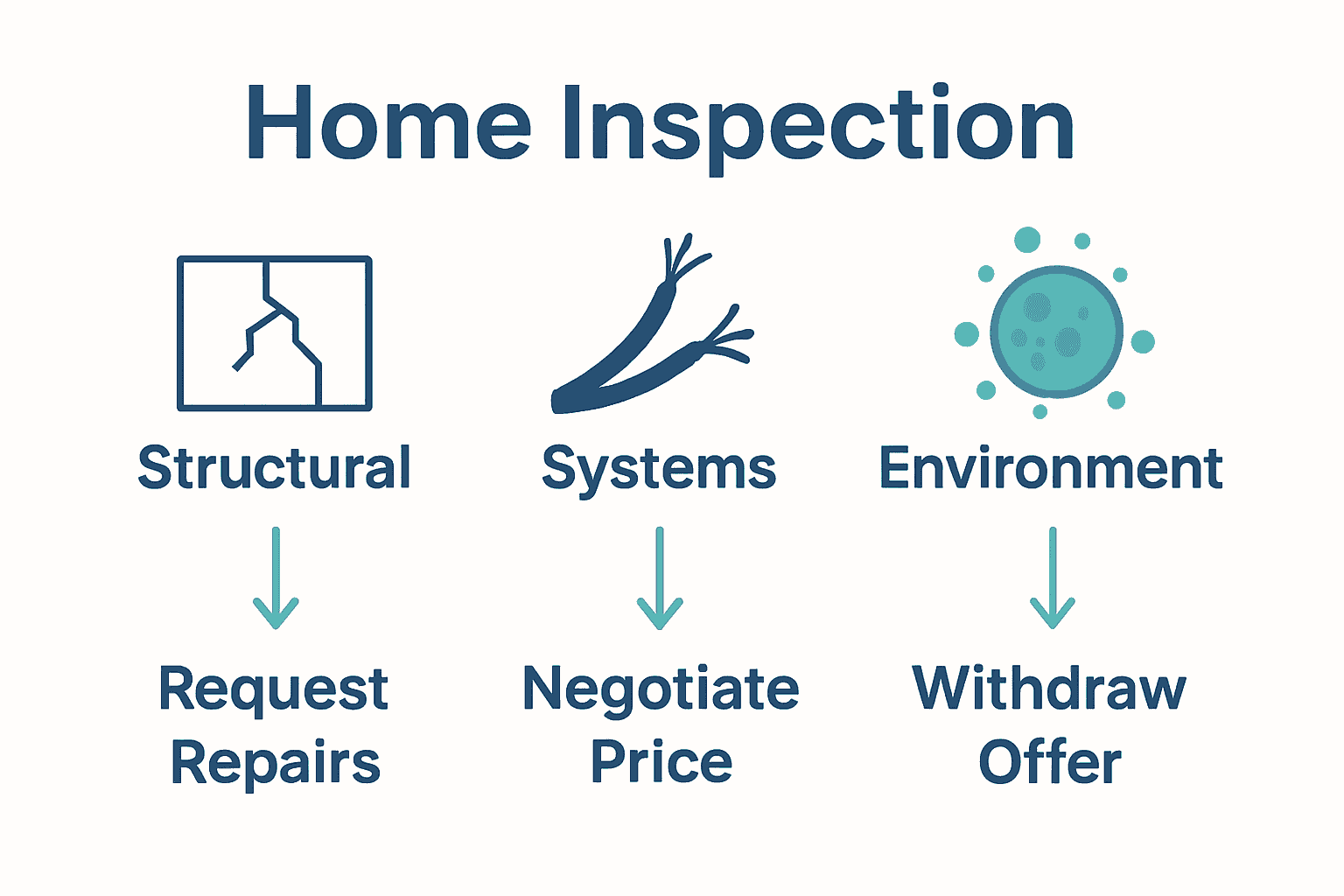
Negotiation Strategies
Request seller repairs
Negotiate price reduction
Request repair credits at closing
Obtain independent repair estimates
Contingency Activation
Exercise inspection contingency clause
Withdraw offer without penalty
Require additional specialized inspections
In the Gulf Coast Alabama region, these considerations become even more critical. Local environmental factors like hurricane risks, humidity-induced structural stress, and potential saltwater corrosion make thorough inspections not just recommended, but essential for protecting your real estate investment. Professional inspectors familiar with regional challenges can provide nuanced insights that generic national assessments might miss.
Choosing the Right Inspector in Gulf Coast Alabama
According to the Counselors of Real Estate, selecting a licensed home inspector is crucial for obtaining a comprehensive property assessment. In the unique Gulf Coast Alabama region, this process becomes even more nuanced due to specialized environmental challenges that require deep local expertise.
Key criteria for selecting the right home inspector include:
Professional Credentials
Active state licensing
Professional certifications
Ongoing training in coastal property assessment
Regional Expertise
Understanding Gulf Coast environmental risks
Knowledge of hurricane-related structural concerns
Experience with saltwater and humidity damage
Technical Competencies
Advanced inspection technologies
Comprehensive reporting skills
Detailed documentation practices
What to Look for in a Home Inspector emphasizes the importance of selecting an inspector who goes beyond standard checklists and provides genuine, actionable insights tailored to your specific property needs.
According to the American Home Inspector Training Institute, home inspectors are critical partners in the home-buying process, providing objective assessments that help buyers make informed decisions. In the Gulf Coast region, this means understanding unique challenges like flood zones, saltwater corrosion risks, and hurricane-resilient construction standards that generic national inspectors might overlook.
Professional home inspectors in this region must bring a combination of technical expertise, local knowledge, and detailed reporting skills. Buyers should seek inspectors who not only identify issues but also provide context about how regional environmental factors might impact long-term property maintenance and value. This approach transforms a standard inspection into a comprehensive property investment assessment.
Secure Your Home Investment with Trusted Local Experts
Buying a home is a huge step that comes with many unknowns. As the article explains, understanding the critical role of home inspectors can protect you from costly surprises like structural defects or system failures. The pain of unexpected repairs or safety issues is real, especially in the Gulf Coast Alabama region where unique environmental factors increase risk. You deserve a thorough, trustworthy inspection that gives you clarity and confidence before closing the deal.
At Trinity Home Inspections, we share your goal of making smart real estate decisions. Led by Matt Cameron, we bring integrity, attention to detail, and local expertise to every inspection. Our comprehensive services help you uncover hidden problems and guide your next steps with accurate, easy-to-understand reports. Don’t leave your home purchase to chance. Discover why so many Gulf Coast residents trust our professional team by visiting Trinity Home Inspections. Explore how the Role of Inspectors in Home Buying Explained and our other resources can prepare you for a safer home investment.
Take the first step toward peace of mind today—schedule your inspection with Trinity Home Inspections and protect your future home with confidence.
Frequently Asked Questions
What is the role of a home inspector in the buying process?
Home inspectors provide a comprehensive evaluation of a property’s condition, identifying structural problems, safety concerns, and potential maintenance issues that could affect value and livability.
What types of inspections can home inspectors conduct?
Home inspectors can conduct various types of inspections, including buyer’s inspections, seller’s pre-listing inspections, four-point inspections, foreclosure inspections, and disaster recovery inspections, each serving different needs in the real estate process.
How long does a typical home inspection take?
A typical home inspection can take several hours, depending on the property’s size and complexity, as inspectors conduct a thorough examination of all critical systems and components.
What should buyers do if issues are found during the inspection?
If issues are discovered during the inspection, buyers can negotiate repairs with the seller, request price reductions, or exercise contingency clauses to withdraw their offer without penalty.
Recommended