
Home Inspection Repair Guide for Confident Buyers and Sellers

Updated: Oct 28, 2025
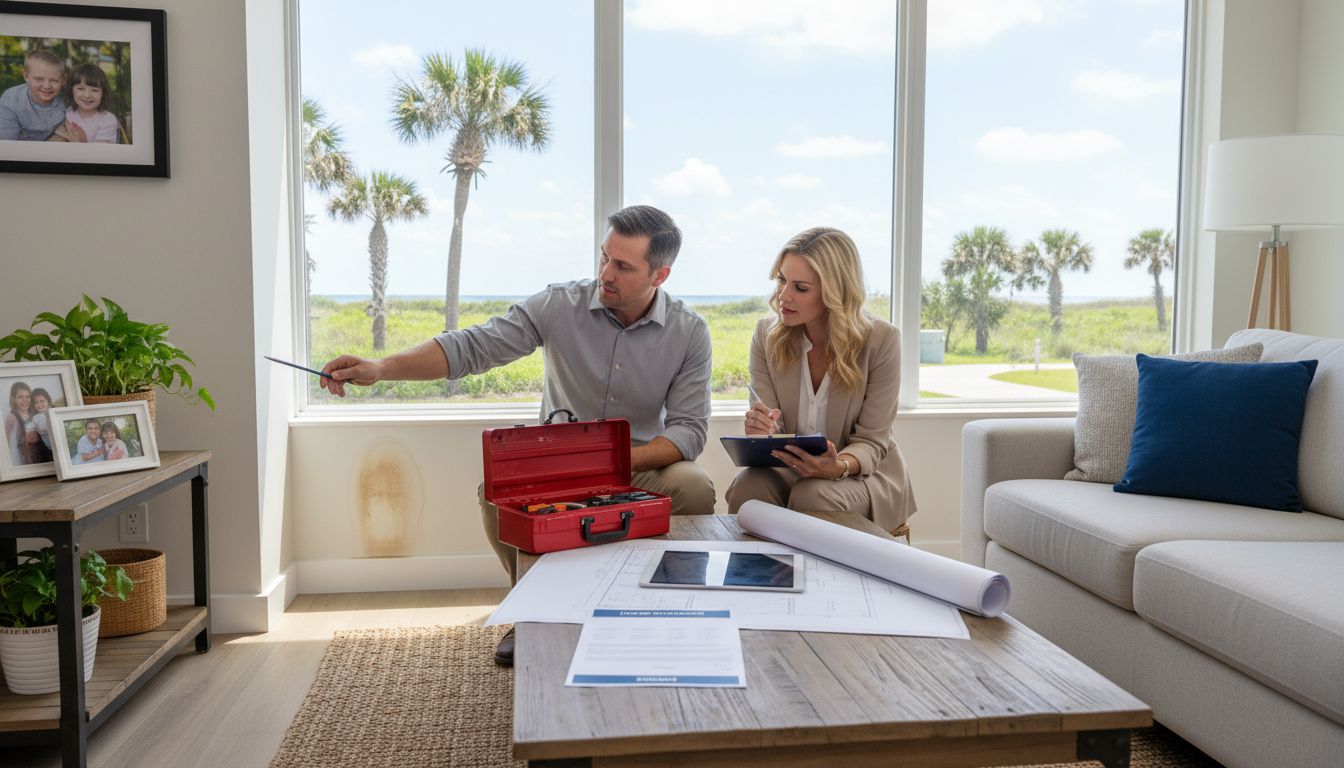
Did you know that more than 80 percent of homebuyers use inspection reports to make final sale decisions? Understanding how to review, prioritize, and manage repairs can make or break a successful property transaction. By learning the right steps to handle inspection findings, you safeguard your investment and gain clarity over every stage of the home repair process.
Table of Contents
Quick Summary
Key Point | Explanation |
1. Prioritize major repairs immediately | Focus on structural and safety issues first, such as foundation stability and plumbing integrity. |
2. Obtain multiple repair estimates | Consult licensed contractors and compare at least three detailed estimates to understand costs and complexity. |
3. Schedule repairs based on urgency | Create a repair timeline that prioritizes critical issues and ensure clear communication with contractors. |
4. Conduct a thorough post-repair inspection | Verify all repairs meet quality standards and functional requirements before finalizing the process. |
5. Keep detailed documentation of repairs | Document all repair activities and outcomes to maintain transparency and protect your investment for future transactions. |
Step 1: Assess Inspection Report and Prioritize Repairs
Receiving your home inspection report is a critical moment in the buying or selling process. Your goal now is to carefully review the document, identify key repair issues, and create a strategic plan for addressing potential property concerns.
Start by thoroughly reading through the entire inspection report. According to the Residential Rehabilitation Inspection Guide, you want to assess multiple system categories including site conditions, exterior elements, interior spaces, and structural components. Pay special attention to sections flagging significant problems that could impact safety or property value.
Focus first on major structural and safety issues. The Consumer Financial Protection Bureau recommends prioritizing repairs related to:
Foundation stability
Electrical system functionality
Plumbing integrity
Roof condition
Potential water damage or moisture issues
For each identified problem, research the potential repair costs and complexity. Some issues might require professional intervention while others could be manageable DIY projects. Consider obtaining multiple contractor quotes to understand the full financial implications.
Pro Tip: Always distinguish between cosmetic problems and structural concerns. Structural issues demand immediate attention and could significantly impact your property investment.
If you are a buyer, use the inspection report as a negotiation tool. You might request seller repairs or request a price reduction to offset anticipated repair expenses. Agents: How To Build a Repair Report From Our Inspection Reports can provide additional guidance on effectively communicating repair needs.
With a clear understanding of necessary repairs, you can confidently move forward in your home buying or selling journey, armed with precise knowledge about the property’s condition.
Step 2: Obtain Reliable Repair Estimates from Local Pros
After identifying necessary repairs from your home inspection report, the next critical step is securing accurate and trustworthy repair estimates from qualified professionals. This process helps you understand the financial scope of potential property improvements and ensures you make informed decisions.
According to the Consumer Financial Protection Bureau, the key to obtaining reliable estimates is consulting with licensed and reputable local contractors. Start by gathering recommendations from trusted sources like your real estate agent, friends, or online review platforms.
When reaching out to potential contractors, follow these strategic steps:
Request detailed written estimates for each identified repair
Verify each contractor’s license and insurance status
Ask about their experience with similar repair projects
Seek references from recent clients
Compare at least three different professional estimates
As recommended by the Residential Rehabilitation Inspection Guide, engaging qualified professionals who can provide accurate assessments is crucial. Experienced contractors will not only give you cost estimates but can also offer insights into the complexity and potential long term implications of each repair.
Pro Tip: Always ask contractors to explain their estimate breakdown. Understanding labor costs, material expenses, and potential additional charges helps prevent unexpected financial surprises.
7 Essential Examples of Inspection Reports for Homebuyers can provide additional context on interpreting repair recommendations.
Remember that the cheapest estimate is not always the best. Prioritize contractors who demonstrate professionalism, provide comprehensive explanations, and have a solid reputation for quality work. Your goal is finding a balance between cost effectiveness and reliable repair solutions.

Step 3: Schedule and Oversee Essential Home Repairs
With repair estimates in hand, your next crucial step is scheduling and carefully overseeing the necessary home repairs. This phase requires strategic planning, clear communication, and active involvement to ensure all identified issues are resolved effectively and efficiently.
According to the Consumer Financial Protection Bureau, homeowners should prioritize and schedule essential repairs promptly. Start by creating a comprehensive repair timeline that addresses the most critical issues first particularly those affecting structural integrity or safety.
When scheduling repairs, consider these important strategies:
Prioritize repairs based on severity and potential long term impact
Confirm specific start and completion dates with each contractor
Ensure contractors are aware of all required repair details from the inspection report
Establish clear communication channels for updates and questions
Create a flexible timeline that accounts for potential unexpected complications
The Residential Rehabilitation Inspection Guide recommends actively overseeing the repair process. This means staying engaged, asking questions, and ensuring all work meets local building codes and professional standards.
Pro Tip: Document every stage of the repair process with photographs and written notes. This provides a valuable record of improvements and can be crucial for future home valuations or potential sales.
Home Maintenance Inspection Guide for Alabama Homes offers additional insights into maintaining your property after repairs are completed.
Remember that effective repair management is about more than just fixing problems. It is an opportunity to enhance your home’s value, functionality, and long term performance. By remaining proactive and detail oriented, you transform necessary repairs into strategic home improvements.
Step 4: Verify Repair Quality with Post-Repair Inspection
After investing time and resources into home repairs, the final critical step is conducting a thorough post-repair inspection. This crucial verification process ensures that all identified issues have been completely and professionally resolved to your satisfaction.
According to the Consumer Financial Protection Bureau, a comprehensive post-repair inspection is essential to confirm that all necessary work has been adequately addressed. This step protects your investment and provides peace of mind about your property’s condition.
When performing your post-repair inspection, focus on these key areas:
Compare completed repairs against the original inspection report
Check that all identified issues have been fully resolved
Verify repairs meet professional standards and local building codes
Test functional systems like electrical, plumbing, and HVAC
Look for signs of potential ongoing or incomplete work
The Residential Rehabilitation Inspection Guide recommends hiring a professional home inspector to conduct an objective third party review. Professional inspectors can identify subtle issues that might escape an untrained eye.
Pro Tip: Request and retain all repair documentation including receipts, warranties, and contractor certifications. These records are valuable for future home sales and maintenance tracking.
Pre-Inspection Checklist for Sellers: Ensure a Smooth Sale can help you understand what professional inspectors look for during final assessments.
Remember that a post-repair inspection is more than a formality. It is your final opportunity to ensure your home is safe, functional, and meets the highest quality standards. By being thorough and proactive, you protect your most valuable asset.
Step 5: Document Repairs and Communicate Results Clearly
As you complete your home repairs, creating a comprehensive and organized documentation system becomes crucial. This final step ensures transparency, protects your investment, and provides valuable information for future property transactions or potential sales.
According to the Consumer Financial Protection Bureau, maintaining detailed records of all repair activities is essential. Your documentation should create a clear narrative of the property’s improvement journey.
When organizing your repair documentation, include these critical elements:
Here’s a comparison of repair documentation items and their purpose:
Documentation Item | Purpose |
Inspection Report | Identifies initial issues |
Contractor Estimates | Details projected repair costs |
Repair Contracts | Outlines agreed repair scope |
Receipts & Payment Records | Confirms expenses paid |
Repair Progress Photos | Documents repair process |
Final Inspection Reports | Verifies completed work |
Warranty Information | Provides future repair coverage |
Original home inspection report
Detailed contractor estimates
Signed repair contracts
Receipts and payment records
Photographs documenting repair progress
Final inspection reports
Warranty information for completed repairs
The Residential Rehabilitation Inspection Guide emphasizes communicating repair outcomes clearly to all relevant stakeholders. This means sharing documentation with real estate agents, potential buyers, or future homeowners who might be interested in the property’s maintenance history.
Pro Tip: Create both digital and physical copies of all repair documentation. Store digital files in cloud storage and keep physical copies in a fireproof document safe.
7 Essential Examples of Inspection Reports for Homebuyers can help you understand how to organize and present your repair documentation effectively.
Think of your repair documentation as a valuable asset. A well maintained record tells a story of responsible homeownership and demonstrates the care you have invested in maintaining your property. By being meticulous and organized, you protect your home and its future market value.
Take Control of Your Home Inspection Repairs with Confidence
Navigating the complexities of home inspection repairs can feel overwhelming. Whether you are a buyer or seller, understanding key issues like foundation stability, electrical concerns, and roof conditions is critical for protecting your investment. You need clear, trustworthy guidance that helps you prioritize repairs, get accurate estimates, and verify quality work every step of the way. That is where Trinity Home Inspections comes in.

At Trinity Home Inspections, we combine local expertise with a commitment to integrity and thoroughness. Our detailed and accurate inspection reports empower you to make informed decisions about home repairs and negotiations. As a family-owned business grounded in faith and professionalism, we provide the personalized attention that turns uncertainty into peace of mind. Don’t wait until repairs turn into costly surprises. Visit Trinity Home Inspections now to schedule your inspection and get started with confidence.
Frequently Asked Questions
What should I do first after receiving my home inspection report?
After receiving your home inspection report, start by assessing and prioritizing the repair issues highlighted in the document. Carefully read through the report and focus on significant structural and safety concerns that could affect the property’s value or safety, making a list of urgent repairs to address promptly.
How can I effectively negotiate repairs with a seller after an inspection?
To negotiate repairs, use the inspection report as leverage by requesting that the seller address critical issues or reduce the price to accommodate repair costs. Clearly communicate the findings from the inspection report and suggest reasonable solutions to navigate the negotiation process efficiently.
What steps should I follow to obtain accurate repair estimates?
To obtain accurate repair estimates, reach out to multiple qualified contractors and request detailed written quotes for each repair item. Make sure to verify their licensing and insurance, then compare at least three estimates to ensure you’re getting a fair understanding of potential costs and services.
How do I oversee the home repairs to ensure quality work?
To oversee home repairs effectively, establish clear communication with your contractors, confirm start and completion dates, and maintain active involvement during the repair process. Document each stage of the repairs and verify that all work meets professional standards and local building codes.
What should I focus on during a post-repair inspection?
During a post-repair inspection, focus on verifying that all identified issues from the original inspection report have been adequately addressed. Check for compliance with local building codes, test the functionality of systems like electrical and plumbing, and look for any signs of incomplete work before finalizing your repairs.
How can I keep track of my repair documentation for the future?
To keep track of your repair documentation, create a comprehensive system that includes inspection reports, estimates, contracts, receipts, photos, and final inspection reports. Organize these documents both digitally and physically, ensuring they are easily accessible for future reference or potential property sales.
Recommended