
First Time Homebuyer Inspection Steps for Success

Updated: Nov 2, 2025
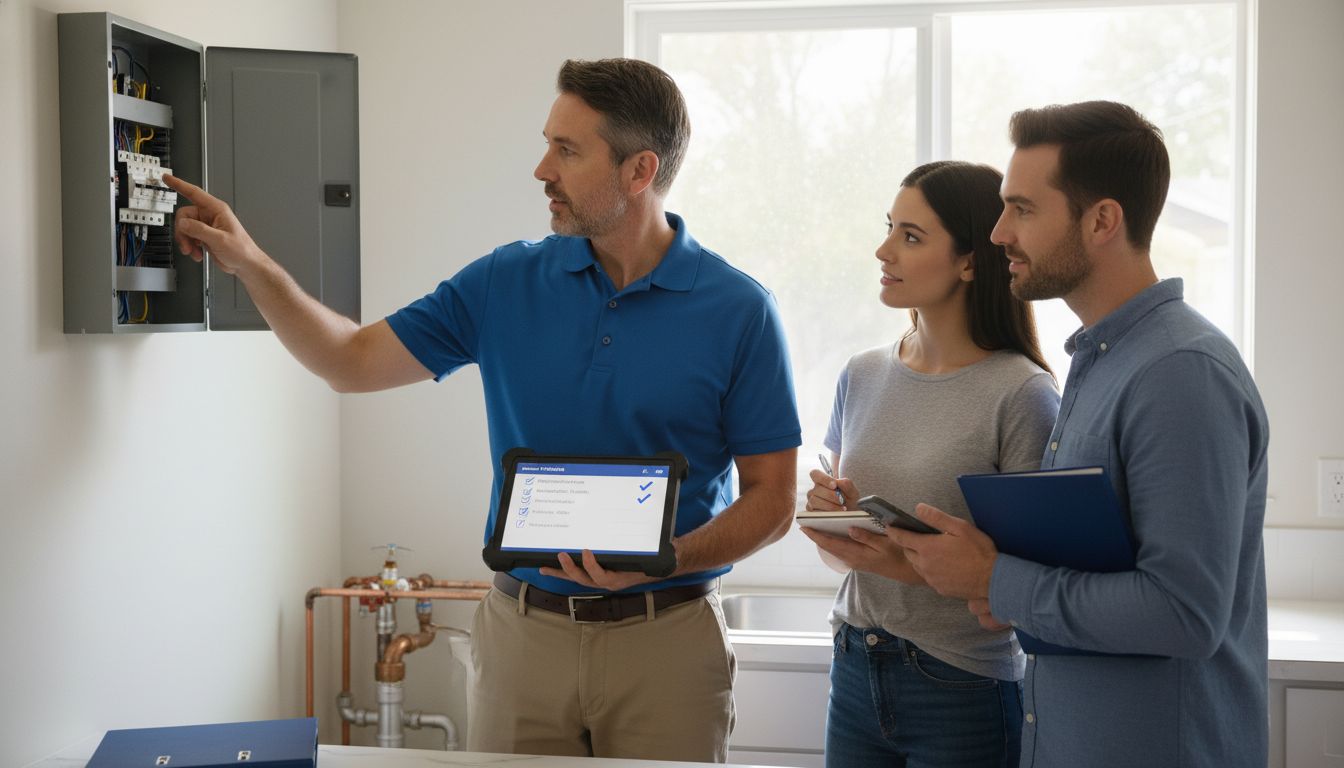
Nearly 88 percent of home buyers include a professional inspection as part of their closing process according to the National Association of Realtors. Skipping this crucial step can lead to costly surprises and missed opportunities. When you understand how to prepare, what to expect, and how to act on inspection findings, you set yourself up for confident decisions and a smoother path to owning your next home.
Table of Contents
Quick Summary
Key Point | Explanation |
1. Schedule Your Home Inspection Early | Prompt scheduling allows time for repairs and issues to be addressed before finalizing the sale. |
2. Gather Relevant Property Documents | Providing maintenance records and previous inspections helps the inspector assess the home more thoroughly. |
3. Prepare Specific Questions for the Inspector | Asking focused questions about structural and system concerns ensures comprehensive evaluation during the inspection. |
4. Actively Participate During the Walkthrough | Engaging in the inspection process helps you gain a better understanding of the home’s condition and potential issues. |
5. Review and Discuss All Findings Thoroughly | Understanding and discussing the inspection report details helps you make informed decisions and negotiate effectively with the seller. |
Step 1: Prepare for Your Home Inspection Appointment
Your home inspection is a critical milestone in your home buying journey that gives you a comprehensive understanding of your potential property. This step prepares you to make an informed decision about one of the most significant investments you will make.
Scheduling your home inspection promptly after selecting a home is crucial. According to the Consumer Financial Protection Bureau, this timing allows you ample opportunity to resolve any potential issues discovered during the inspection. When booking your appointment, aim to be present during the entire process which typically ranges between 2 to 4 hours depending on the home’s size and complexity.
Before the inspection, gather all relevant property documents including recent repair records, previous inspection reports, and any known maintenance history. These documents provide valuable context for your inspector and help them conduct a more thorough examination. Preparing for My Home Inspection: What You Need to Know can offer additional insights into effective preparation.
Prepare a list of specific concerns or questions you want the inspector to address. This might include potential structural issues, signs of water damage, electrical system conditions, or roof integrity. Being proactive ensures you get the most comprehensive evaluation possible.
On the day of the inspection, plan to arrive wearing comfortable clothing and shoes suitable for walking through various areas of the property. Bring a notebook or digital device to take notes, and be prepared to ask questions throughout the process. Your active participation helps you understand the property’s condition in greater detail.
A helpful tip many first time homebuyers overlook is bringing a tape measure and camera. Documenting specific details and measurements can help you later when planning potential renovations or understanding the inspection report more thoroughly.
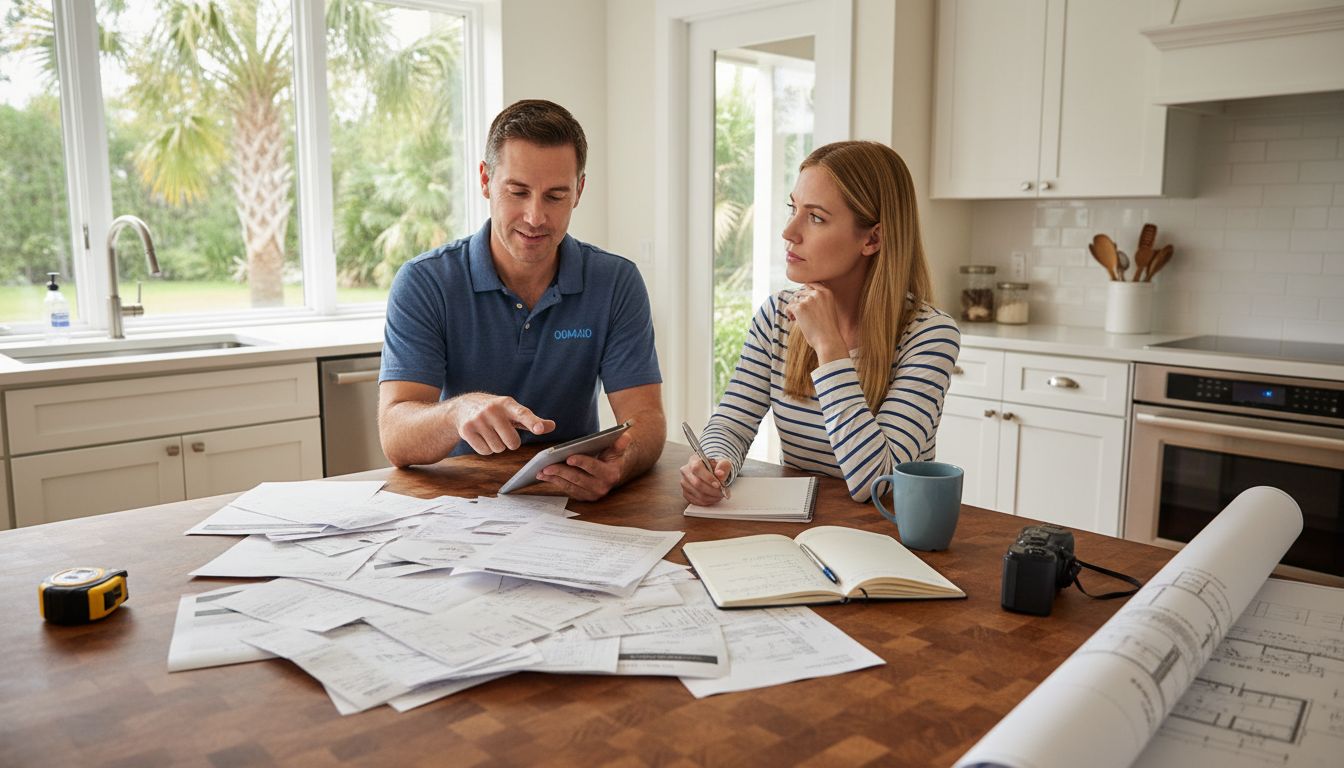
Here’s a summary of how to prepare for your home inspection appointment:
Preparation Task | Why It Matters | Pro Tips |
Schedule promptly | Ensures ample time for repairs | Attend the entire inspection |
Gather documents | Provides inspector with context | Bring repair/maintenance records |
List concerns/questions | Guides inspector to key issues | Note structural, water, electrical, roof concerns |
Dress appropriately | Enables thorough walkthrough | Wear comfy shoes/clothes |
Bring tools | Aids documentation and planning | Tape measure and camera |
Prepare to take notes | Ensures you remember key details | Use notebook or phone |
By following these preparation steps, you set yourself up for a successful home inspection that provides clear insights into your potential new home’s condition and helps you make a confident purchasing decision.
Step 2: Select a Trusted Local Home Inspector
Selecting the right home inspector is a critical step in your home buying journey that can save you thousands of dollars and prevent potential future headaches. This section will guide you through finding a professional who provides a thorough and objective assessment of your potential home.
According to the Consumer Financial Protection Bureau, choosing an inspector with a reputation for honesty and thoroughness is paramount. Start by researching local inspectors who have established credibility in your specific region. What to Look for in a Home Inspector can help you understand the key qualities to seek.
Verify the inspector’s professional qualifications carefully. In states without strict licensing requirements, the Better Business Bureau and local consumer affairs offices become valuable resources for checking an inspector’s background. Look for inspectors who are members of reputable professional associations such as the American Society of Home Inspectors or the International Association of Certified Home Inspectors.
During your selection process, ask potential inspectors about their experience specifically with homes in your local area. A home inspector familiar with Baldwin County’s unique construction styles and common regional issues will provide more insightful assessments. Request sample inspection reports to understand their level of detail and communication style.
Do not hesitate to ask direct questions about their professional background. How long have they been conducting inspections? What percentage of their work involves residential properties? Do they carry professional liability insurance? These questions help you gauge their expertise and commitment to quality.
A pro tip many first time homebuyers overlook is scheduling a brief phone consultation before booking. This allows you to assess their communication skills and comfort level explaining technical details. A great inspector should be patient, clear, and willing to answer your questions thoroughly.
By carefully selecting a qualified and trustworthy home inspector, you set the foundation for a comprehensive understanding of your potential home’s condition and protect your investment from unexpected surprises.
Step 3: Review Key Areas During the Walkthrough
The home inspection walkthrough is your critical opportunity to understand the true condition of your potential property. This detailed examination provides insights that can save you from costly surprises and help you make an informed purchasing decision.
According to home inspection experts, the walkthrough focuses on several key structural and functional areas. What Does a Home Inspection Consist Of? can provide additional context about what to expect during this comprehensive evaluation.
During the walkthrough, pay close attention to the home’s foundational elements. Inspectors will carefully examine the foundation, walls, and ceilings for any signs of structural compromise. Look for visible cracks, uneven surfaces, or indicators of potential water damage or settling issues that could indicate more significant problems.
Systematic review of electrical and plumbing systems is crucial. The inspector will assess the condition of wiring, electrical panels, water pressure, pipe integrity, and potential hidden leaks. Ask questions about the age of these systems and any potential replacement or repair needs you might face in the near future.
Be prepared to follow the inspector and observe their process. While they conduct their professional assessment, take notes and ask clarifying questions about anything that seems unusual or concerning. Your active participation helps you better understand the home’s overall condition and potential maintenance requirements.
A pro tip many first time homebuyers overlook is requesting to see problem areas up close. Most inspectors are happy to show you specific issues and explain their potential impact. This hands on approach can help you develop a more comprehensive understanding of the property.
Remember that no home is perfect. The goal of the walkthrough is not to find a flawless property but to understand the specific characteristics and potential maintenance needs of the home you are considering purchasing.
Step 4: Discuss Findings and Request the Full Report
The home inspection findings discussion is a crucial moment in your home buying journey where you transform detailed observations into actionable insights. This step helps you understand the property’s true condition and make informed decisions about your potential investment.
According to the Consumer Financial Protection Bureau, discussing the findings with your inspector immediately after the walkthrough is essential. 7 Essential Examples of Inspection Reports can help you understand what to expect in a comprehensive inspection report.
During the findings discussion, approach the conversation with curiosity and objectivity. Ask your inspector to explain the significance of any issues discovered. Which problems represent immediate repair needs? Which are minor concerns that can be addressed over time? Understanding the context and potential impact of each finding helps you prioritize potential negotiations or future maintenance.
Request a detailed written report that includes photographs, specific descriptions of issues, and recommended actions. Professional inspectors typically provide these comprehensive reports within 24 to 48 hours after the inspection. The report should clearly document structural concerns, system functionality, and potential maintenance requirements.
Pay special attention to issues that might require significant financial investment. Major structural problems, electrical system deficiencies, or plumbing concerns could impact your decision to purchase or provide leverage in price negotiations. Your inspector can help you understand which findings are typical for homes of a certain age and which represent genuine red flags.
A pro tip many first time homebuyers overlook is requesting cost estimates for recommended repairs. While your inspector might not provide exact quotes, they can often give ballpark figures that help you understand potential future expenses.
Remember that the inspection report is a tool for understanding the property. It is not meant to be a deal breaker but a comprehensive guide to help you make an informed real estate decision.
Step 5: Confirm Repairs and Finalize Purchase Decisions
After receiving your home inspection report, you enter a critical phase of your home buying journey where strategic decisions can save you thousands of dollars and prevent future headaches. This step is about transforming inspection findings into actionable negotiations and informed purchasing choices.
According to the Consumer Financial Protection Bureau, you have several options when inspection results reveal potential issues. Agents: How To Build a Repair Report From Our Inspection Reports can provide additional guidance on navigating this complex process.
Review the inspection report carefully and categorize findings into three priority levels. Critical issues require immediate attention and might include structural problems, major system failures, or safety concerns. Moderate issues might need addressing within the next few years. Minor issues are typically cosmetic and can be addressed over time.
Negotiate with the seller based on the inspection findings. You can request repairs, ask for credits toward closing costs, or potentially reduce the purchase price. Some sellers might offer to complete repairs before closing, while others might prefer providing financial compensation. Your real estate agent can help you strategize the most effective approach.
Understand your contractual rights during this process. Depending on your purchase agreement, you may have the option to withdraw from the sale if the inspection reveals significant unexpected problems. This provides a safety net if the property requires more extensive repairs than you are willing to undertake.
A pro tip many first time homebuyers overlook is getting multiple repair estimates. Even if the seller agrees to make repairs, having independent quotes helps you understand the true scope and potential cost of necessary work.
Remember that successful negotiation is about finding a balanced solution. The goal is not to demand perfection but to ensure you are making a sound investment in a property that meets your needs and expectations.
Ensure Your Homebuying Confidence with Trinity Home Inspections
Navigating the home inspection process as a first time homebuyer can feel overwhelming. You want to avoid costly surprises and feel certain that your investment is sound. This article outlines crucial steps like preparing for your inspection appointment, selecting a trusted inspector, reviewing key home areas, and understanding your inspection report. At Trinity Home Inspections, we understand these challenges because we have walked in your shoes. Our team led by Matt Cameron approaches every inspection with integrity and attention to detail to give you clear answers and peace of mind.

Don’t let uncertainty hold you back from making one of the biggest decisions of your life. Choose Trinity Home Inspections for thorough and honest evaluations right here on the Gulf Coast. Learn more about what to look for in a home inspector to feel confident about who you trust. Ready to take the next step toward a successful home purchase Receive expert guidance tailored to your needs by contacting us today. Your future home deserves the best foundation of knowledge and care.
Frequently Asked Questions
What should I do to prepare for my home inspection appointment?
To prepare for your home inspection appointment, gather all relevant property documents and make a list of specific concerns or questions. Schedule the inspection promptly after selecting a home and plan to be present for the entire process to ensure comprehensive understanding.
How do I select a trusted local home inspector?
Select a trusted local home inspector by researching their qualifications and reputation in your area. Look for reviews and ask potential inspectors about their experience with homes similar to yours to ensure they can provide valuable insights.
What key areas should I review during the home inspection walkthrough?
During the home inspection walkthrough, pay close attention to the foundation, electrical systems, plumbing, and signs of any potential damage such as water leaks or structural issues. Follow your inspector closely and ask clarifying questions about any concerns that arise.
How should I discuss the findings of the home inspection with my inspector?
Discuss the findings by approaching the conversation with curiosity and asking about the significance of any issues discovered. Request a detailed written report that includes photographs and descriptions of problems to help you understand what repairs might be necessary.
What steps should I take after reviewing the inspection report?
After reviewing the inspection report, categorize the findings into critical, moderate, and minor issues to prioritize which repairs to address. Begin negotiations with the seller based on these findings and consider getting multiple repair estimates to understand potential costs.
How can I confirm repairs and finalize my purchase decisions?
To confirm repairs and finalize your purchase decisions, negotiate with the seller based on the inspection results by requesting repairs or credits. Ensure you understand your contractual rights, which may allow you to withdraw from the sale if significant unexpected problems arise.
Recommended

