
How to Pass a Home Inspection: A Step-by-Step Guide

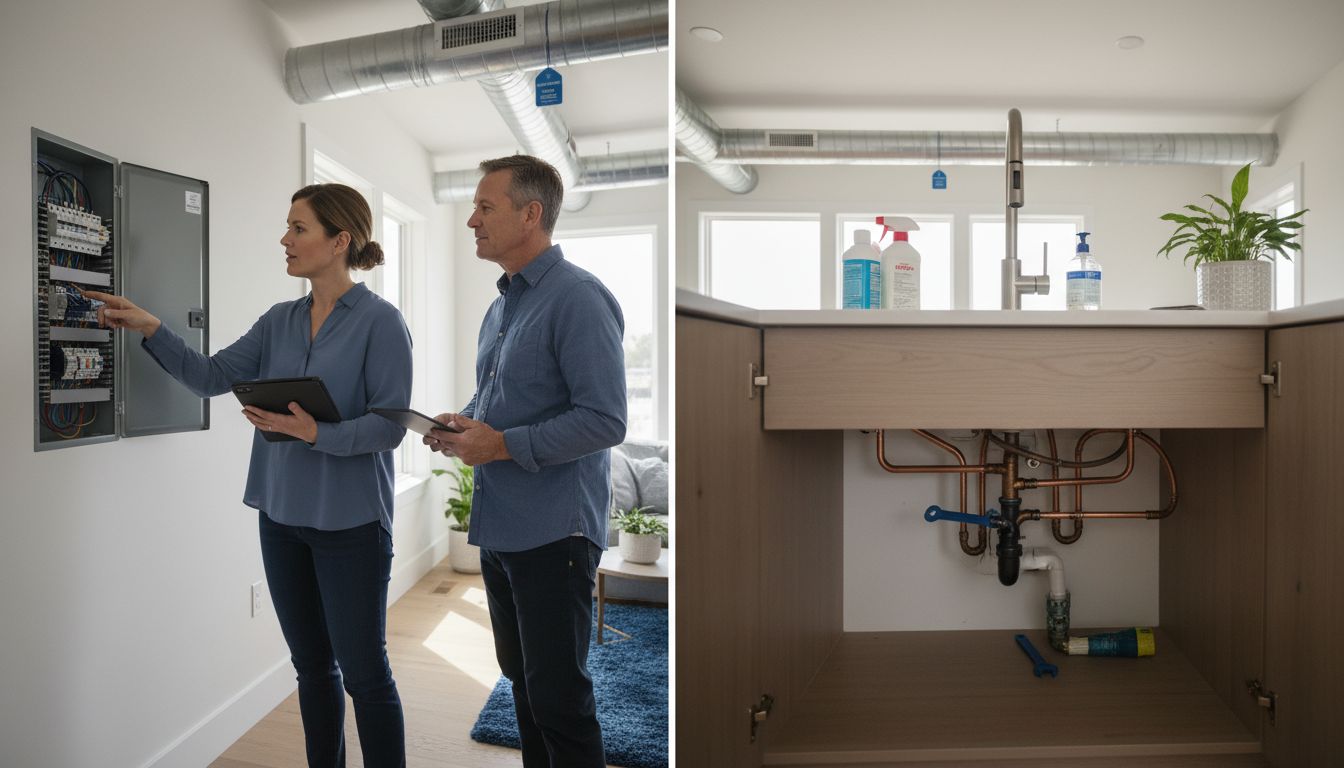
Over 40 percent of home sales hit a snag due to issues found during inspections. These hidden problems can cost sellers time and money, often delaying or even sinking a deal. Knowing what inspectors look for and addressing common red flags before listing your property puts you ahead of the game. With the right approach, you can turn inspection day into a smooth step toward closing with confidence.
Table of Contents
Quick Summary
Key Point | Explanation |
1. Assess Major Home Systems | Check roofing, plumbing, electrical, and HVAC to ensure they are in good working condition before inspection. |
2. Declutter and Deep Clean | Remove personal items and thoroughly clean all areas, showing inspectors your home is well-maintained. |
3. Address Common Red Flags | Fix structural issues, pest damage, and moisture problems before the inspection to improve evaluation chances. |
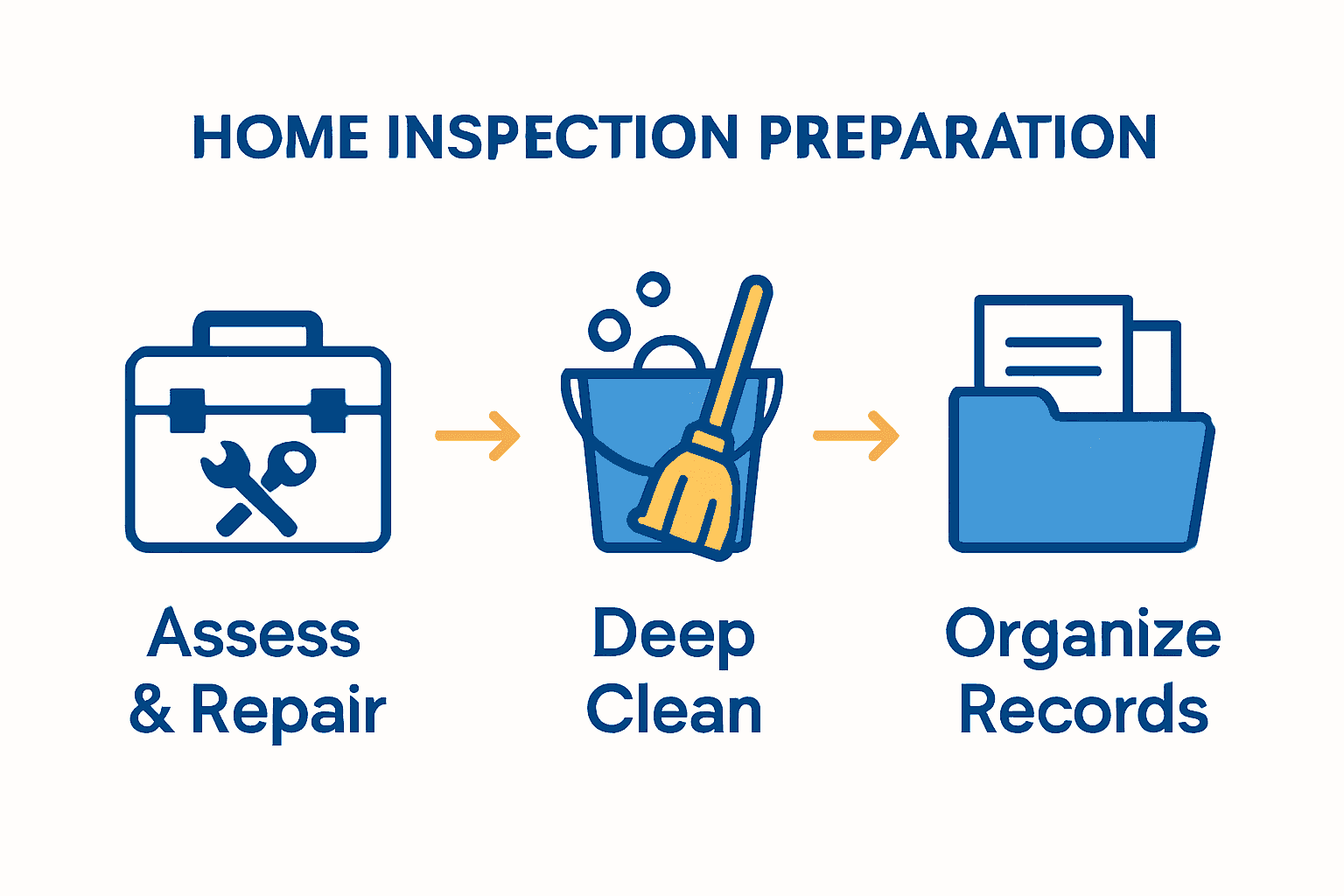
4. Organize Maintenance Documentation | Compile repair records, warranties, and photos to present a clear maintenance history to inspectors. |
5. Verify Repairs Thoroughly | Conduct a final walkthrough to ensure all repairs are completed to a high standard before the inspection. |
Step 1: Assess and Repair Key Home Systems
Assessing and repairing key home systems is crucial to passing a home inspection with flying colors. According to Redfin, home inspections typically focus on critical systems like roofing, plumbing, electrical, and HVAC that can significantly impact your property’s safety and value.
Start by conducting a comprehensive walkthrough of your home, paying close attention to each major system. For electrical systems, check for outdated wiring, ensure all outlets are properly grounded, and replace any frayed or damaged electrical cords. In plumbing, look for leaks under sinks, around toilets, and near water heaters. Listen for unusual sounds in pipes and check water pressure. Your HVAC system requires inspection of air filters, ductwork integrity, and overall system performance. Redfin notes that HVAC issues are among the most common reasons homes fail inspections.
Pro Tip: Document every repair and maintenance task you complete. This creates a clear record of your home’s care and can impress potential buyers or inspectors.
If you discover complex issues beyond basic maintenance, consider hiring a professional to ensure thorough and correct repairs. The goal is to address potential problems before the official home inspection, increasing your chances of a smooth and successful evaluation.
Step 2: Declutter and Deep Clean All Areas
Preparing for a home inspection requires more than just mechanical repairs your home needs a thorough cleaning that demonstrates care and maintenance. The goal is to create an environment that looks well maintained and gives inspectors confidence in your property management skills.
Start with a systematic room by room decluttering approach. Remove personal items like family photos and excess furniture that might obstruct access to walls electrical outlets or key system components. Pay special attention to areas inspectors will examine closely such as basements attics crawl spaces and utility rooms. Clean these spaces completely removing cobwebs dust and any stored items that could block visibility. Focus on deep cleaning surfaces that show wear and maintenance including baseboards window sills and corners where dust and grime accumulate.
Pro Tip: Think like an inspector would imagine walking into each room with a critical eye and address anything that looks worn neglected or cluttered.
In kitchen and bathroom areas scrub grout lines clean behind appliances and ensure all surfaces are spotless. Check under sinks for any signs of water damage or leaks and make sure these areas are completely dry and clean. Remember that a meticulously cleaned home suggests to an inspector that you have been equally diligent about underlying maintenance and structural care.
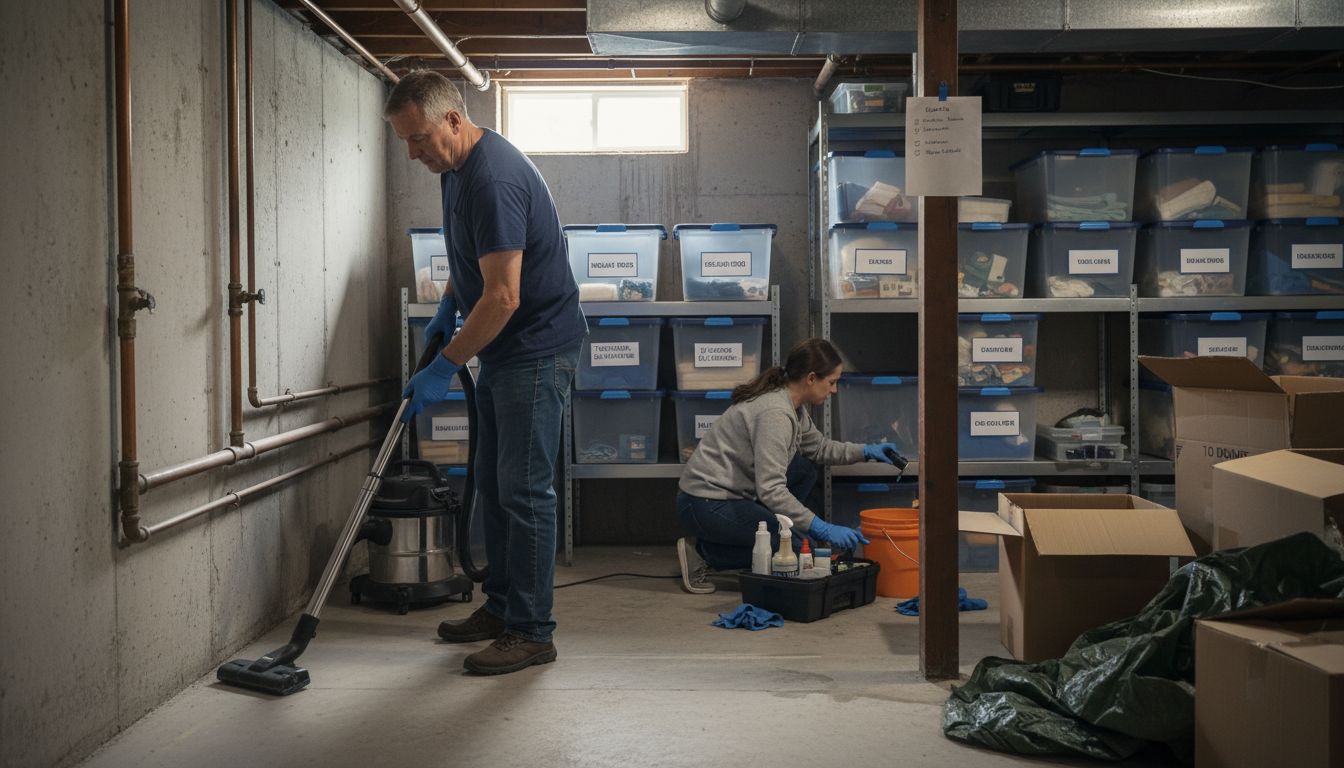
Your thorough cleaning signals that the property has been well cared for which can positively influence the overall inspection outcome.
Step 3: Address Common Inspection Red Flags
Redfin highlights that certain issues can dramatically impact your home inspection results and potentially derail a sale. Understanding and proactively addressing these common red flags is crucial to ensuring a smooth inspection process.
Structural concerns require immediate attention. Look for signs of foundation problems like wall cracks uneven flooring or doors that do not close properly. Pest infestations represent another significant red flag inspect for termite damage wood rot or signs of rodent activity. Pay special attention to areas like crawl spaces basements and wooden structures near your home. Understanding the Dangers of Federal Pacific Stab-Lok Electrical Panels can also help you identify potential electrical system risks that might raise inspector concerns.
Pro Tip: Document any repairs or improvements you make with before and after photos to demonstrate your proactive maintenance approach.
Moisture and water damage are critical red flags that can signal deeper structural issues. Check for water stains on ceilings walls and around windows. Examine your roof for missing shingles damaged flashing or signs of potential leaks. By addressing these potential problems before the inspection you demonstrate responsible homeownership and increase the likelihood of a positive evaluation.
Step 4: Prepare Essential Documentation for Inspectors
Documenting your home’s maintenance history is crucial for a successful home inspection. Pre-Inspection Checklist for Sellers: Ensure a Smooth Sale emphasizes the importance of organizing all relevant paperwork before the inspector arrives.
Gather comprehensive documentation including past repair records warranty information utility bills and permits for any renovations or additions. Compile maintenance logs for major systems like HVAC electrical plumbing and roofing. Include receipts for recent repairs professional service records and any upgrades you have made to the property. If you have completed any significant home improvements gather before and after photos along with contractor details to demonstrate the quality of work.
Pro Tip: Create a dedicated folder with all documents neatly organized chronologically to make a strong impression on the inspector.
Pay special attention to documentation for critical home systems. Include manuals for major appliances recent inspection reports from professionals and any energy efficiency upgrades. By presenting a well documented home maintenance history you demonstrate responsible ownership and provide transparency that can significantly boost the inspector’s confidence in your property.
Step 5: Verify Repairs and Inspect the Property
After addressing potential issues in previous steps your final task is meticulously verifying all repairs and conducting a comprehensive property walkthrough. Home Inspection Repair Guide for Confident Buyers and Sellers provides essential insights into ensuring your repairs meet professional standards.
Start with a systematic room by room inspection. Check that all previously identified repairs have been completed correctly and professionally. Look for clean workmanship no visible patches or uneven surfaces and ensure repairs match the original aesthetic of your home. Pay special attention to structural repairs electrical work plumbing modifications and any areas that previously showed signs of damage. Test all repaired systems thoroughly run water check electrical outlets and verify that mechanical components function smoothly.
Pro Tip: Take clear before and after photos of all repair work to demonstrate the quality and completeness of your maintenance efforts.
Remember that an inspector will examine these repairs with a critical eye. Your goal is to show not just that repairs were made but that they were done with skill and attention to detail. A thorough verification process demonstrates responsible homeownership and increases your chances of passing the home inspection with flying colors.
Ensure a Successful Home Inspection with Trusted Experts
Passing a home inspection can feel overwhelming with so many systems to check and repairs to manage. From addressing electrical and plumbing concerns to documenting your maintenance efforts, you want confidence that your home is truly ready for the big day. If you’re aiming for a smooth process without unexpected surprises, professional guidance is essential.
At Trinity Home Inspections, we understand the emotional weight of selling or buying a home in the Gulf Coast area. Our inspections focus on the critical details highlighted in your step-by-step guide including structural integrity, HVAC performance, and thorough documentation of repairs. We are committed to helping you avoid common inspection red flags and presenting your home at its best. Start your journey with us today for a comprehensive evaluation you can trust. Visit Trinity Home Inspections to schedule your inspection and gain peace of mind before your next big move.
Frequently Asked Questions
What are the key home systems to assess before a home inspection?
To pass a home inspection, focus on critical systems such as roofing, plumbing, electrical, and HVAC. Conduct a thorough walkthrough of your home, checking for outdated wiring, leaks, air filter conditions, and ductwork integrity.
How can I effectively declutter and clean my home for an inspection?
Begin by removing personal items and excess furniture that obstruct key areas. Clean room by room, focusing on deep cleaning surfaces and ensuring utility spaces like attics and basements are presentable and free of clutter.
What common red flags should I address to improve my home inspection results?
Address structural issues like wall cracks, pest infestations, and moisture damage before the inspection. Inspect for visible signs of these problems and resolve them to present a well-maintained property that boosts inspector confidence.
What essential documentation should I prepare for the home inspector?
Gather all relevant paperwork, including past repair records, warranty information, and maintenance logs for major systems. Organize this documentation chronologically to create a strong impression for the inspector.
How can I verify my repairs before the home inspection?
Conduct a meticulous walkthrough of your property, confirming that all repairs are completed correctly and professionally. Test all systems, such as running water and checking electrical outlets, to ensure everything functions smoothly.
What should I do if I discover complex issues during my assessment?
For complex issues beyond your expertise, it’s best to hire a professional for thorough repairs. This ensures that problems are addressed correctly, significantly increasing your chances of passing the home inspection.
Recommended

