
Ethical Standards in Home Inspection: Complete Guide

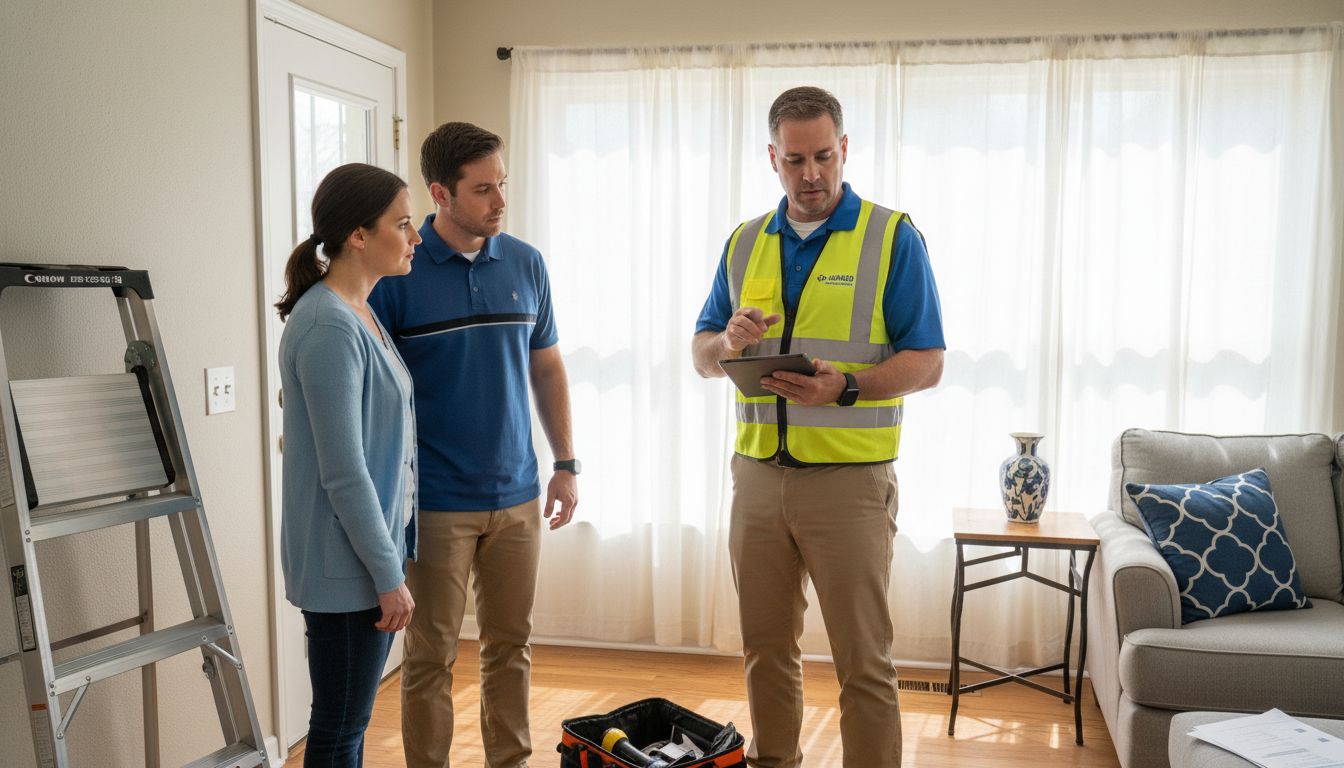
Nearly every homebuyer depends on a professional inspection to make confident decisions, yet even a single ethical misstep can put thousands of dollars at risk. Choosing a home inspector is about more than credentials or experience. Ethical standards shape every part of the process, building crucial trust between clients and inspectors. Understanding these guidelines gives buyers and sellers real peace of mind. Learn how these principles safeguard your investment and what sets truly trustworthy home inspectors apart.
Table of Contents
Key Takeaways
Point | Details |
Ethical Standards Essential | Home inspectors must uphold ethical principles of integrity, objectivity, and transparency to build trust with clients. |
Responsibilities to Clients | Inspectors are obligated to provide accurate, complete assessments while maintaining confidentiality and avoiding conflicts of interest. |
Legal Compliance | Adhering to industry regulations, including licensing and continuing education, is crucial for maintaining professional integrity. |
Risks and Violations Awareness | Understanding potential legal risks and common ethical violations helps inspectors protect themselves and clients in transactions. |
Defining Ethical Standards in Home Inspection
Ethical standards represent the foundational principles that guide professional conduct in home inspection, establishing a critical framework of trust, integrity, and accountability. Home inspectors play an essential role in protecting homebuyers and sellers by providing objective, comprehensive assessments of property conditions. According to homeinspector.org, the American Society of Home Inspectors (ASHI) Code of Ethics emphasizes core values of integrity, honesty, and objectivity as fundamental principles for professional practice.
At their core, these ethical standards require home inspectors to maintain strict professional boundaries and commitment to accurate reporting. nachi.org highlights that professional codes of ethics demand inspectors act in good faith, avoid conflicts of interest, and consistently uphold public trust. This means delivering unbiased evaluations that prioritize client safety and transparency over personal or financial interests.
Key ethical standards in home inspection typically encompass several critical dimensions:
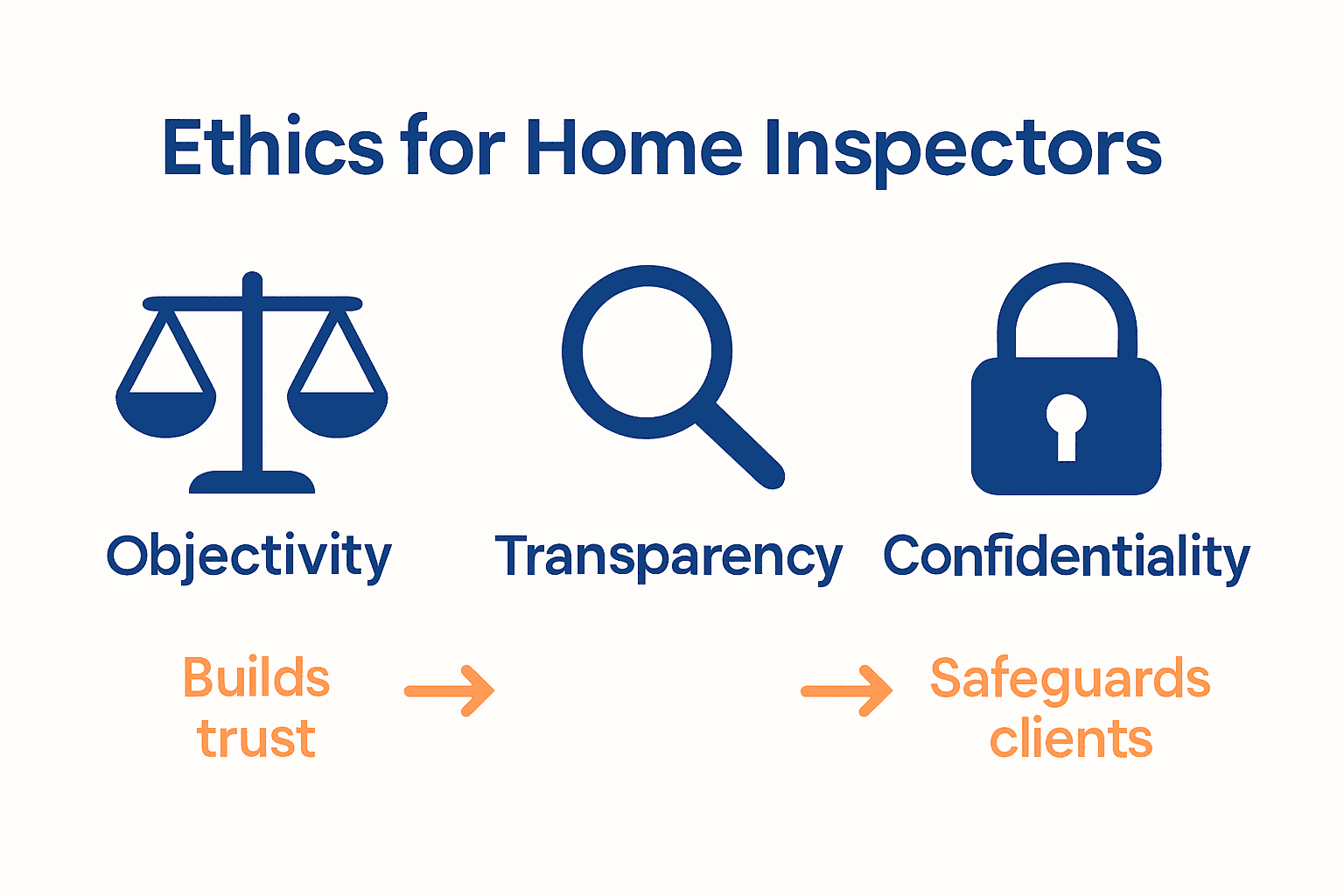
Objectivity: Providing unbiased, factual assessments without personal prejudice
Transparency: Clearly communicating inspection findings, limitations, and potential risks
Confidentiality: Protecting client information and maintaining professional discretion
Competence: Continuously updating skills and knowledge to deliver high-quality inspections
Professional Responsibility: Taking accountability for inspection accuracy and potential oversights
For homeowners and prospective buyers in the Gulf Coast region, understanding these ethical standards becomes crucial when selecting a home inspector. By choosing professionals who adhere to rigorous ethical guidelines, you ensure a thorough, reliable assessment that protects your investment. At Trinity Home Inspections, we take these standards seriously, embedding them into every inspection we conduct. Our commitment goes beyond mere compliance – we view ethical conduct as a fundamental responsibility to our clients and community.
For more insights into professional home inspection standards, check out our comprehensive guide on home inspection standards.
Core Principles of Home Inspector Ethics
Home inspector ethics form the critical backbone of professional integrity, establishing a comprehensive framework that guides inspectors in delivering reliable, objective, and trustworthy services. homeinspector.org highlights that organizations like ASHI have developed core values including integrity, excellence, education, professionalism, and community advocacy to ensure ethical decision-making and professional conduct.
These core principles are not merely theoretical guidelines but practical standards that directly impact client safety and trust. creia.org emphasizes that professional codes mandate inspectors to maintain absolute objectivity, avoid potential conflicts of interest, and consistently uphold the profession’s reputation. This means every inspection must be conducted with meticulous attention to detail, impartiality, and a commitment to providing accurate, unbiased information.
The fundamental core principles of home inspector ethics can be distilled into several key dimensions:
Professional Objectivity: Delivering unbiased assessments without personal or financial prejudices
Technical Competence: Maintaining current knowledge and skills through continuous education
Client Transparency: Clearly communicating inspection limitations, findings, and potential risks
Confidentiality: Protecting client information and maintaining strict professional boundaries
Ethical Independence: Resisting external pressures that might compromise inspection integrity
For homeowners and real estate professionals in the Gulf Coast region, understanding these ethical standards is crucial when selecting a home inspector. By prioritizing these principles, inspectors demonstrate a commitment that goes beyond mere technical competence.
At Trinity Home Inspections, we view these ethics not as constraints, but as a sacred trust – a responsibility to protect our clients’ most significant investments.
To gain deeper insights into the professional standards that guide home inspectors, explore our guide on understanding the role of inspectors in real estate.
Industry Standards and Legal Requirements
Home inspection is a highly regulated profession with comprehensive legal frameworks designed to protect consumers and maintain professional integrity. in.gov highlights that regulatory bodies establish stringent legal requirements that home inspectors must meet, emphasizing the critical importance of integrity, honesty, and objectivity in serving the public interest.
These industry standards are not merely suggestions but legally enforced mandates that govern every aspect of a home inspector’s professional conduct. Compliance involves meeting multiple layers of requirements, including licensing, continuing education, technical competency, and adherence to strict ethical guidelines. Inspectors must maintain current certifications, undergo regular professional development, and demonstrate ongoing commitment to maintaining the highest standards of professional practice.
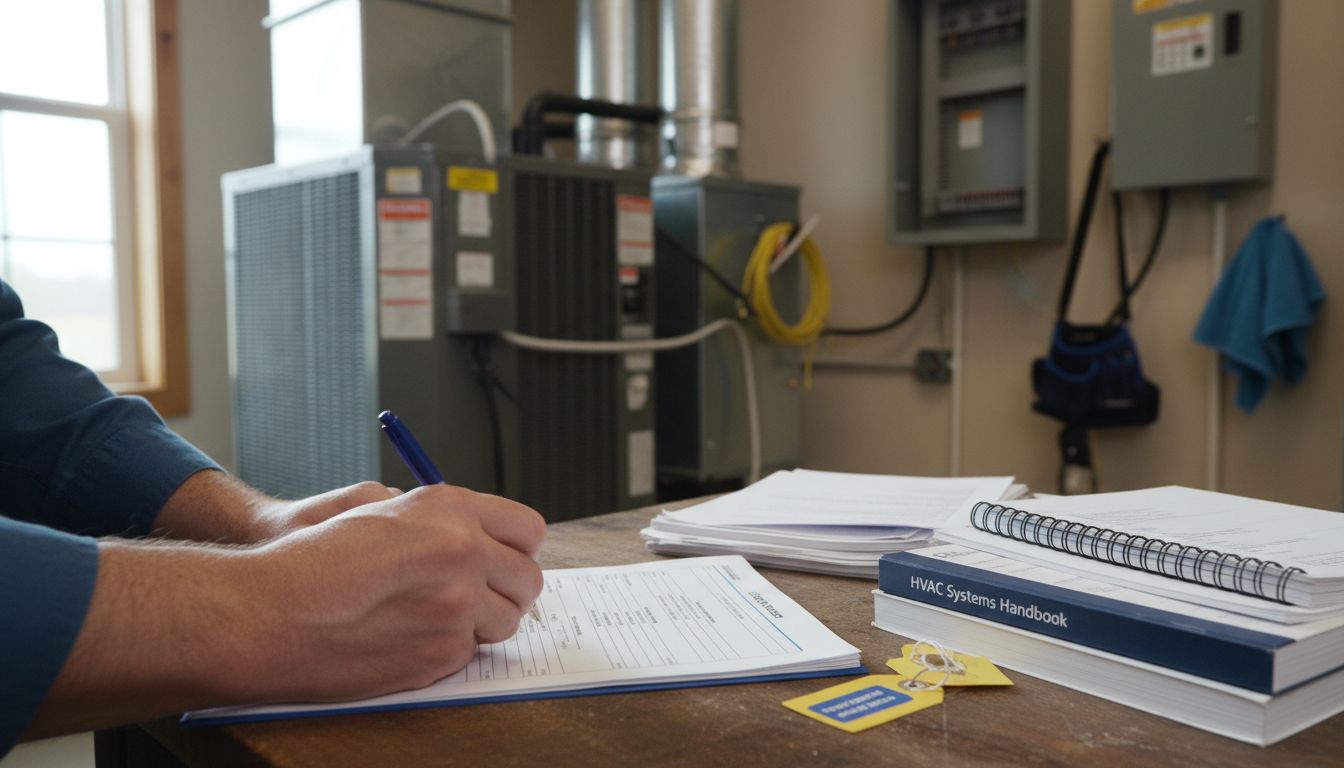
Key legal and industry standards typically encompass several critical dimensions:
Licensing Requirements: Mandatory state-level professional certifications
Insurance Obligations: Carrying appropriate professional liability coverage
Continuing Education: Regular training and skills updates
Reporting Standards: Comprehensive, transparent, and accurate inspection documentation
Technical Competence: Demonstrating current knowledge of building systems and inspection techniques
Professional Accountability: Being responsible for inspection accuracy and potential oversights
For homeowners and real estate professionals in the Gulf Coast region, understanding these legal requirements is crucial when selecting a home inspector. At Trinity Home Inspections, we don’t just meet these standards – we exceed them. Our commitment goes beyond legal compliance, representing a genuine dedication to protecting our clients’ most significant investments.
To explore more about professional standards in home inspection, check out our guide on understanding the role of inspectors in real estate.
Responsibilities of Home Inspectors to Clients
nachi.org emphasizes that home inspectors carry profound professional responsibilities that extend far beyond a simple property assessment. These responsibilities represent a comprehensive commitment to protecting client interests, ensuring transparency, and delivering accurate, unbiased information about a property’s condition. Home inspectors are entrusted with providing critical insights that can significantly impact some of the most important financial decisions in a person’s life.
ccpia.org highlights that these responsibilities are grounded in fundamental principles of fairness, honesty, and impartiality. Inspectors are obligated to act in good faith, prioritizing client interests over personal or financial gains. This means delivering comprehensive, truthful evaluations that provide clients with a complete understanding of a property’s structural integrity, potential issues, and maintenance requirements.
Key responsibilities of home inspectors to clients include:
Full Disclosure: Providing complete, transparent information about property conditions
Professional Competence: Maintaining current technical knowledge and inspection skills
Conflict Avoidance: Identifying and disclosing any potential conflicts of interest
Confidentiality: Protecting client information and maintaining strict professional boundaries
Accurate Reporting: Delivering detailed, objective inspection reports without bias
Ongoing Communication: Explaining findings clearly and answering client questions thoroughly
For homeowners and real estate professionals in the Gulf Coast region, understanding these responsibilities is crucial when selecting a home inspector. At Trinity Home Inspections, we view these responsibilities not as obligations, but as a sacred trust. Our commitment goes beyond technical assessment – we’re dedicated to empowering our clients with the knowledge they need to make informed property decisions.
To gain deeper insights into what makes a truly exceptional home inspection, check out our guide on what your home inspector wishes you knew.
Risks, Liabilities, and Common Violations
homeinspector.org reveals that home inspection involves complex legal risks and potential liabilities that can significantly impact both inspectors and clients. Professional standards exist to mitigate these risks, establishing clear guidelines that protect all parties involved in property transactions. Understanding these potential pitfalls is crucial for maintaining professional integrity and preventing costly legal complications.
nachi.org highlights that common ethical violations can emerge from several critical areas of professional practice. These violations often stem from conflicts of interest, misrepresentation, or inadequate professional conduct. Inspectors must navigate a complex landscape of professional responsibilities, ensuring their assessments remain objective, transparent, and thoroughly documented to minimize potential legal exposure.
Key risks and potential violations in home inspection include:
Conflicts of Interest: Failing to disclose personal or financial relationships that might compromise objectivity
Incomplete Reporting: Omitting significant property defects or potential issues
Misrepresentation: Providing inaccurate or misleading information about property conditions
Scope of Inspection: Exceeding or failing to meet agreed-upon inspection parameters
Confidentiality Breaches: Inappropriately sharing client information
Technical Incompetence: Lacking current knowledge of building systems and inspection techniques
For homeowners and real estate professionals in the Gulf Coast region, understanding these risks is essential when selecting a home inspector. At Trinity Home Inspections, we recognize that our professional reputation depends on consistently avoiding these potential violations. Our commitment goes beyond merely meeting standards – we strive to exceed them, providing comprehensive, transparent, and meticulously documented inspections.
To gain deeper insights into professional inspection standards, explore our guide on what your home inspector wishes you knew.
Trust Ethical Excellence for Your Next Home Inspection
Choosing a home inspector who truly understands and follows ethical standards can be a daunting challenge. You want someone who values integrity, transparency, and unbiased reporting just as much as you do. The article highlights crucial concepts like objectivity, professional responsibility, and confidentiality that form the backbone of trustworthy home inspections. At Trinity Home Inspections, we recognize that these values are not just policies on paper—they define the care and attention we put into every inspection.
Discover the confidence that comes with hiring a home inspector who embodies these principles in every aspect of their service. Whether you are buying or selling a home in the Gulf Coast region, do not settle for less than thorough, honest, and reliable inspections. Visit our landing page to learn how our commitment to ethical excellence can protect your investment today. Gain peace of mind by understanding what your home inspector truly knows and wishes you knew by visiting our guide on what your home inspector wishes you knew. Take the first step toward a transparent and dependable inspection experience by connecting with us now at Trinity Home Inspections. Your home deserves no less.
Frequently Asked Questions
What are the key ethical standards in home inspection?
Key ethical standards in home inspection include objectivity, transparency, confidentiality, competence, and professional responsibility. These principles guide inspectors in providing unbiased assessments and protecting client interests.
Why are ethical standards important in home inspection?
Ethical standards are crucial as they establish trust, integrity, and accountability in the inspection process. They ensure that home inspectors deliver accurate and comprehensive evaluations, which are essential for informed decision-making by clients.
How do home inspectors maintain objectivity?
Home inspectors maintain objectivity by providing unbiased assessments without personal prejudice, avoiding conflicts of interest, and adhering to professional codes of ethics that prioritize the clients’ interests over personal gains.
What responsibilities do home inspectors have toward their clients?
Home inspectors have several responsibilities, including full disclosure of property conditions, maintaining professional competence, avoiding conflicts of interest, protecting client confidentiality, delivering accurate reporting, and ongoing communication with clients.
Recommended

