
Home Inspection Standards 2025: Complete Guide

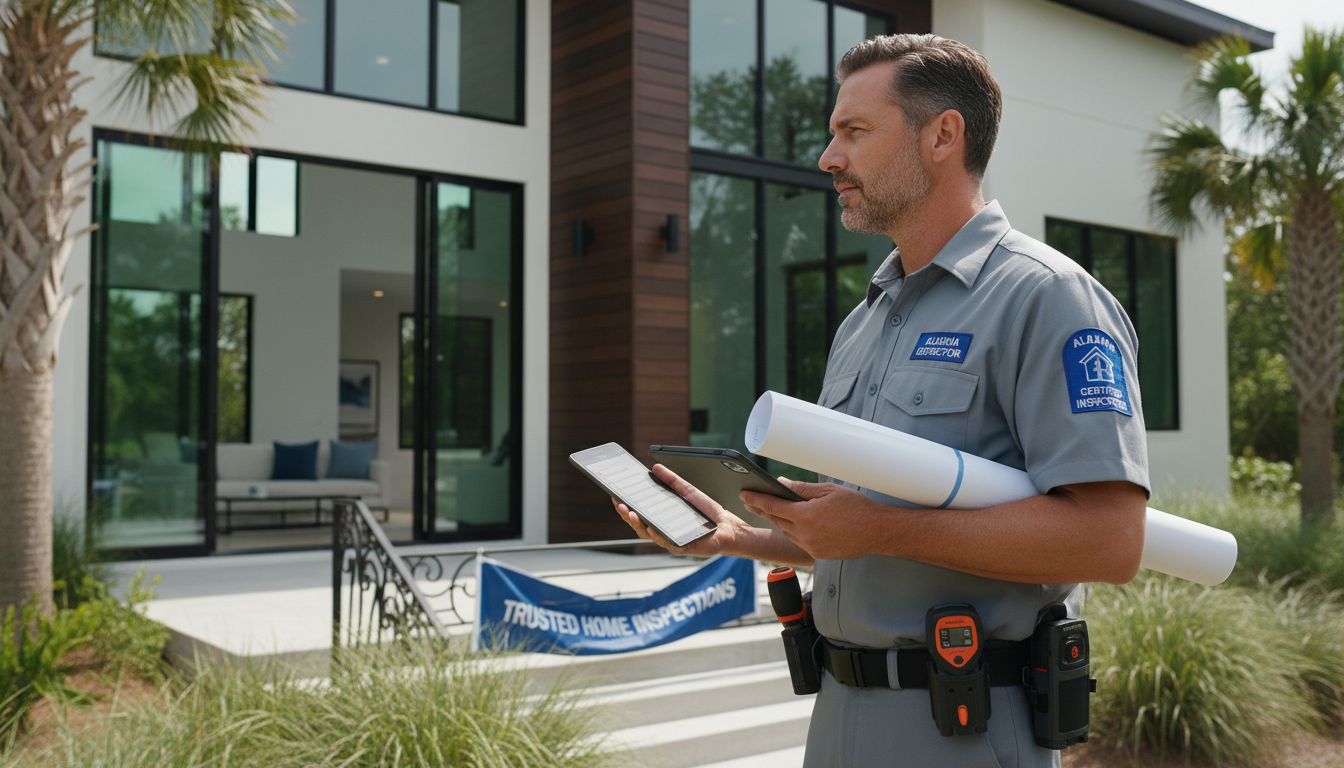
Home inspection rules are getting tougher, and 2025 is set to change the way homes are evaluated across Alabama. Nearly 90 percent of homebuyers rely on these inspections to make safe decisions about their investments. With updated standards and stricter qualifications, these changes matter for anyone buying, selling, or inspecting properties. Find out how the latest guidelines could protect your interests and why staying informed is now more important than ever.
Table of Contents
Key Takeaways
Point | Details |
Evolving Standards by 2025 | Home inspectors will face stricter Standards of Practice, focusing on comprehensive property evaluations that safeguard homeowner interests. |
Enhanced Inspector Qualifications | New qualifications will necessitate advanced training and successful completion of sophisticated certification exams to ensure professional expertise. |
Regulatory Changes in March 2025 | Significant updates in licensing, documentation, and continuing education will be implemented to bolster consumer protection and inspection reliability. |
Common Compliance Challenges | Inspectors must proactively address potential compliance risks to avoid penalties, including maintaining licensing and thorough documentation of inspections. |
Defining Home Inspection Standards for 2025
Home inspection standards are evolving rapidly, and 2025 marks a significant milestone in establishing more comprehensive and rigorous guidelines for professional property assessments. According to the Alabama Administrative Code, home inspectors must adhere to strict Standards of Practice that define the precise scope and limitations of property evaluations.
The upcoming standards emphasize a holistic approach to home inspections, focusing on key systems and components that impact property safety and value. Inspectors will be required to conduct thorough examinations of:
Structural integrity
Electrical systems
Plumbing networks
HVAC functionality
Roof and exterior conditions
Interior living spaces
As outlined by the National Home Inspector Examination, 2025 standards will also introduce more stringent qualification requirements for home inspectors. Professionals must now demonstrate advanced knowledge through comprehensive training programs and pass increasingly sophisticated certification exams.
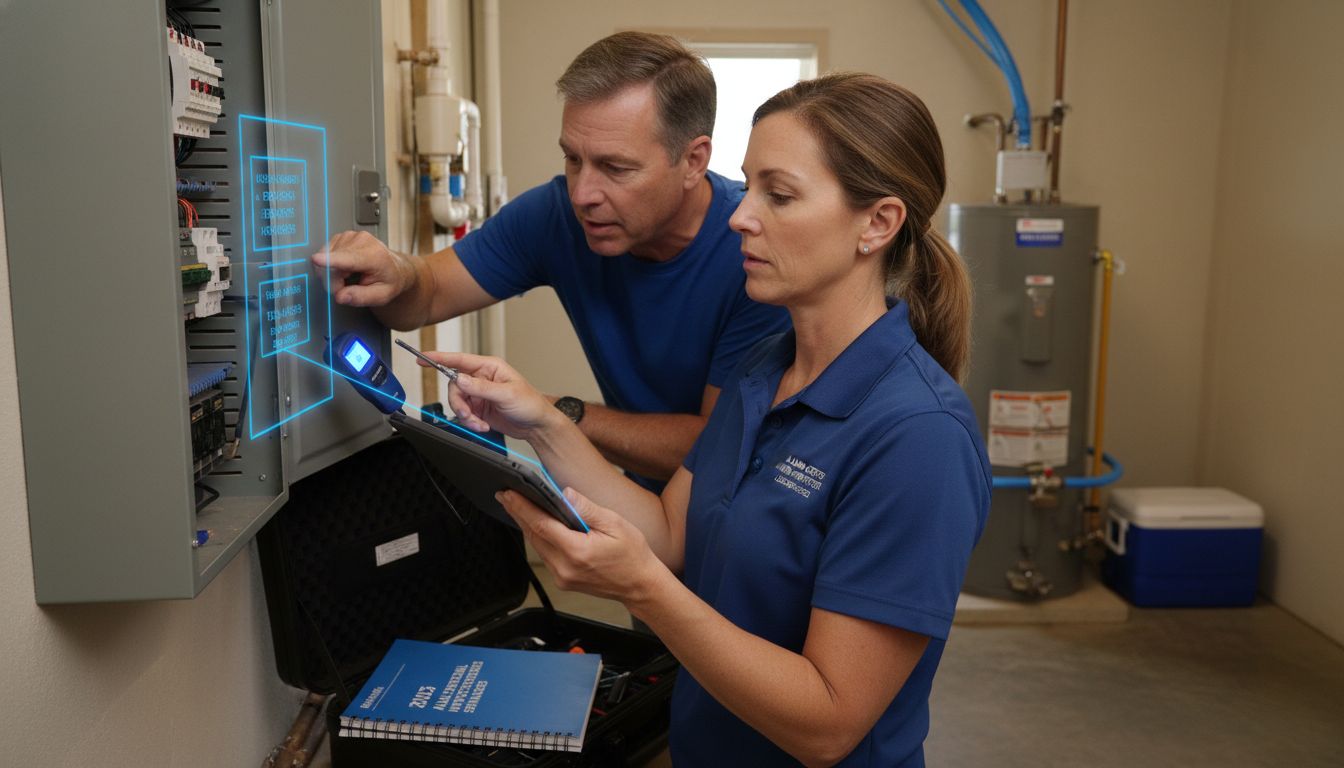
These evolving standards reflect a commitment to protecting homeowners by ensuring that property inspections are conducted with unprecedented levels of expertise and precision. By establishing clear guidelines and professional benchmarks, the home inspection industry is moving toward greater transparency, reliability, and consumer confidence.
Learn more about comprehensive home inspection practices in our guide on defining home inspection standards, which provides deeper insights into these emerging professional requirements.
Major Updates to 2025 Inspection Protocols
The home inspection landscape is undergoing significant transformations in 2025, with new protocols designed to enhance professional standards and consumer protection. According to the Home Builders Licensure Board, substantial regulatory changes will take effect on March 17, 2025, introducing more stringent requirements for licensed professionals in the home inspection industry.
Key updates to the 2025 inspection protocols include:
Enhanced documentation requirements
More comprehensive system assessments
Stricter reporting standards
Advanced technological integration
Expanded liability and accountability measures
Mandatory continuing education for inspectors
The updated regulations aim to create a more transparent and reliable inspection process. As detailed in the Alabama Administrative Code, these changes will specifically impact how home inspectors advertise their services, maintain their licenses, and conduct professional assessments. Notably, licensed homebuilders must now include their license numbers in all advertisements and contracts, providing an additional layer of consumer protection.
These evolving protocols represent a proactive approach to improving industry standards, ensuring that homeowners receive more accurate, comprehensive, and trustworthy inspections. The emphasis on technology, continuous learning, and transparent reporting signals a significant shift towards more professional and accountable home inspection practices.
Learn more about comprehensive home inspection practices with our guide on understanding inspection reports, which provides deeper insights into navigating these new professional standards.
Key Components Included in Modern Inspections
Modern home inspections have evolved into comprehensive evaluations that go far beyond simple visual assessments. According to the Alabama Administrative Code, professional inspections now require meticulous examination of multiple critical property systems and structural elements to ensure homeowners have a complete understanding of their property’s condition.
The key components of a modern home inspection typically include:
Structural Integrity: Foundation, framing, walls, and load-bearing elements
Exterior Assessment: Siding, grading, drainage, and landscaping impacts
Roofing Systems: Material condition, potential leaks, structural soundness
Plumbing Network: Pipes, water pressure, potential leaks, drainage efficiency
Electrical Systems: Wiring, panel capacity, outlet functionality, safety standards
HVAC Performance: Heating and cooling system efficiency, ductwork integrity
Interior Spaces: Flooring, walls, ceilings, potential moisture or damage indicators
Insulation and Ventilation: Thermal efficiency, air circulation, potential energy loss points
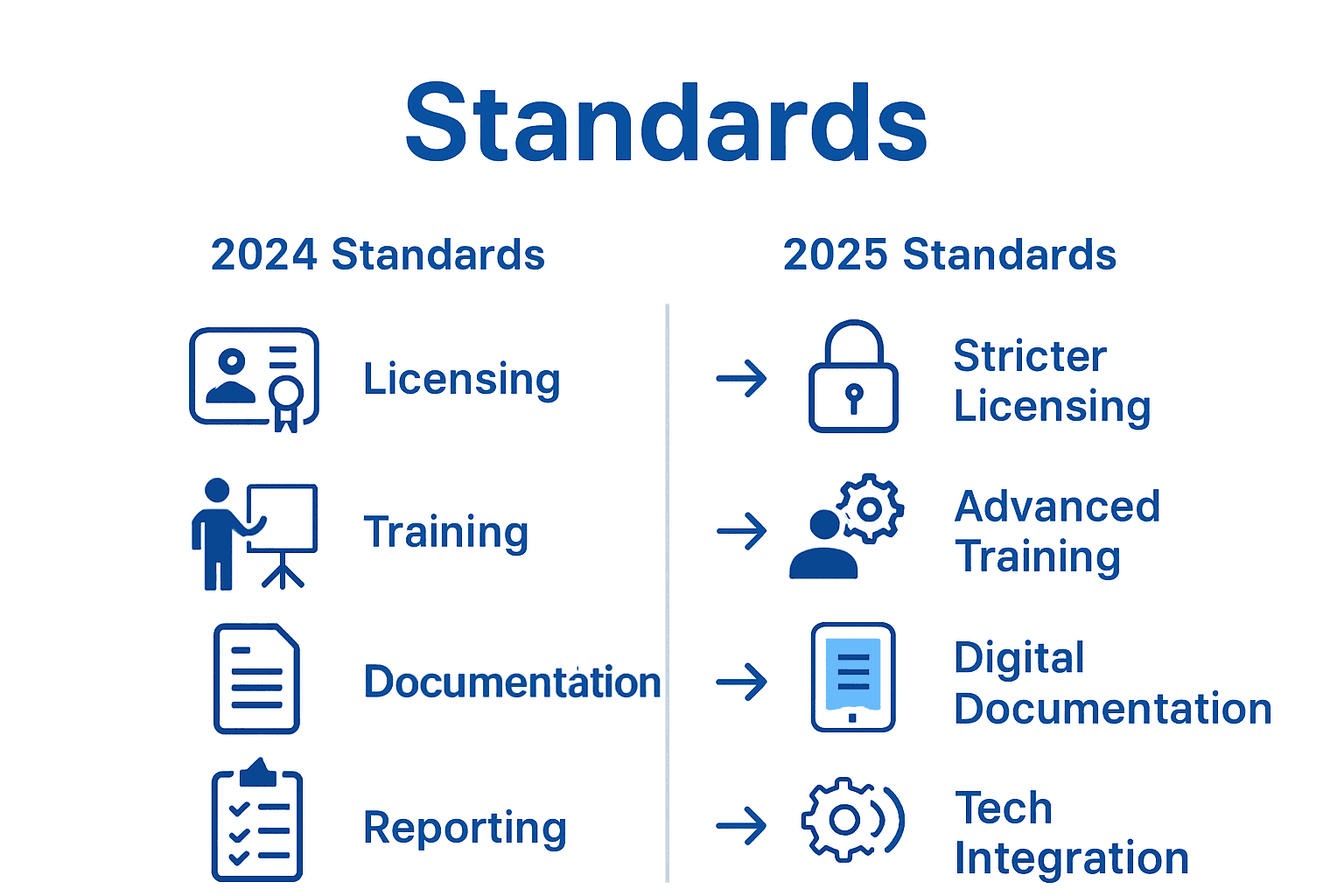
The National Home Inspector Examination emphasizes that modern inspections are about providing comprehensive insights, not just identifying immediate issues. Inspectors now use advanced diagnostic tools, thermal imaging, and specialized equipment to detect potential problems that might remain hidden during traditional visual examinations.
These detailed assessments represent a significant advancement in property evaluation, offering homeowners and potential buyers a 360-degree view of a property’s true condition. By combining technological sophistication with expert knowledge, modern home inspections provide unprecedented transparency and peace of mind.
Learn more about comprehensive home inspection practices in our guide to understanding what a home inspection consists of, which offers deeper insights into the intricacies of professional property assessments.
Legal and Regulatory Requirements in Alabama
Navigating the legal landscape of home inspections in Alabama requires a comprehensive understanding of state-specific regulations. According to the Alabama Division of Construction Management, home inspectors must adhere to strict licensing requirements that are carefully designed to protect consumers and maintain professional standards in the industry.
Key legal requirements for home inspectors in Alabama include:
Mandatory Licensing: All home inspectors must obtain a valid state license
Annual Renewal: Licenses are issued per calendar year and expire on December 31st
No Interstate Reciprocity: Alabama does not recognize home inspection licenses from other states
Examination Requirements: Passing state-approved professional certification tests
Insurance Obligations: Maintaining appropriate liability insurance coverage
Continuing Education: Ongoing professional development and training
The Alabama Administrative Code provides detailed guidelines for becoming a licensed home inspector, emphasizing rigorous educational and experiential standards. Prospective inspectors must demonstrate comprehensive knowledge through designated examinations and prove their commitment to professional excellence by meeting stringent qualification criteria.
These regulatory frameworks are not mere bureaucratic hurdles but critical safeguards that ensure homeowners receive professional, reliable, and standardized inspection services. By maintaining these strict requirements, Alabama protects consumers and upholds the highest standards of professional home inspection practices.
Learn more about the critical role of inspector certification in our comprehensive guide, which offers deeper insights into the professional standards governing home inspections in Alabama.
Common Pitfalls and Ensuring Compliance
Home inspection professionals in Alabama face numerous potential compliance challenges that can significantly impact their professional standing. According to the Alabama Division of Construction Management, there are critical areas where inspectors frequently encounter regulatory risks that could lead to serious professional consequences.
Common compliance pitfalls include:
Failing to obtain or maintain current state licensing
Neglecting mandatory continuing education requirements
Omitting required license numbers in professional documentation
Not maintaining appropriate liability insurance
Bypassing the established Standards of Practice
Inadequate documentation of inspection findings
Providing services outside the defined scope of practice
The Home Builders Licensure Board emphasizes that non-compliance can result in significant disciplinary actions, ranging from financial penalties to potential license suspension or revocation. Inspectors must stay vigilant and proactively manage their professional obligations to avoid these substantial risks.
Ensuring compliance requires a multifaceted approach that combines ongoing education, meticulous record-keeping, and a commitment to professional standards. Successful home inspectors understand that regulatory compliance is not just about avoiding penalties, but about maintaining the highest levels of professional integrity and protecting consumer interests.
Discover more strategies for maintaining professional standards with our comprehensive guide on home inspection best practices in Alabama, which offers in-depth insights into navigating the complex regulatory landscape.
Stay Ahead with Trusted Home Inspection Services in 2025
Understanding the evolving home inspection standards for 2025 can be overwhelming, especially with new requirements like enhanced documentation, advanced technology use, and stricter qualification rules. These changes aim to protect your investment by ensuring thorough and reliable inspections covering everything from structural integrity to HVAC performance. At Trinity Home Inspections, we recognize these challenges and are committed to helping Gulf Coast homeowners navigate them with confidence. Our detailed inspections follow the latest professional guidelines so you can make informed decisions without worry.
Make the smart choice today by partnering with Trinity Home Inspections. With a strong focus on integrity, honesty, and excellence, led by Matt Cameron, our family-owned business delivers precise and comprehensive reports that meet and exceed the 2025 Standards of Practice. Whether you are buying or selling, don’t leave your property’s future to chance. Visit us now at Trinity Home Inspections and experience dependable service backed by local expertise. Learn more in our guide to defining home inspection standards and see why you can trust our team for your home inspection needs.
Frequently Asked Questions
What are the main updates to home inspection standards in 2025?
The 2025 home inspection standards include enhanced documentation requirements, expanded system assessments, stricter reporting standards, and mandatory continuing education for inspectors to improve transparency and reliability in the inspection process.
What components are included in a modern home inspection?
Modern home inspections assess structural integrity, exterior conditions, roofing systems, plumbing networks, electrical systems, HVAC performance, interior spaces, and insulation and ventilation to provide a comprehensive evaluation of the property’s condition.
What legal requirements must home inspectors in Alabama meet?
Home inspectors in Alabama must obtain a valid state license, renew it annually, pass state-approved exams, maintain liability insurance, and fulfill continuing education requirements to ensure professional standards are met.
What are some common compliance pitfalls for home inspectors?
Common compliance pitfalls include failing to maintain licensing, neglecting continuing education, omitting license numbers in documentation, and providing services outside the defined scope of practice, all of which can lead to disciplinary actions.
Recommended

