
Why Use Certified Inspectors: Complete Home Guide

Updated: Nov 2, 2025
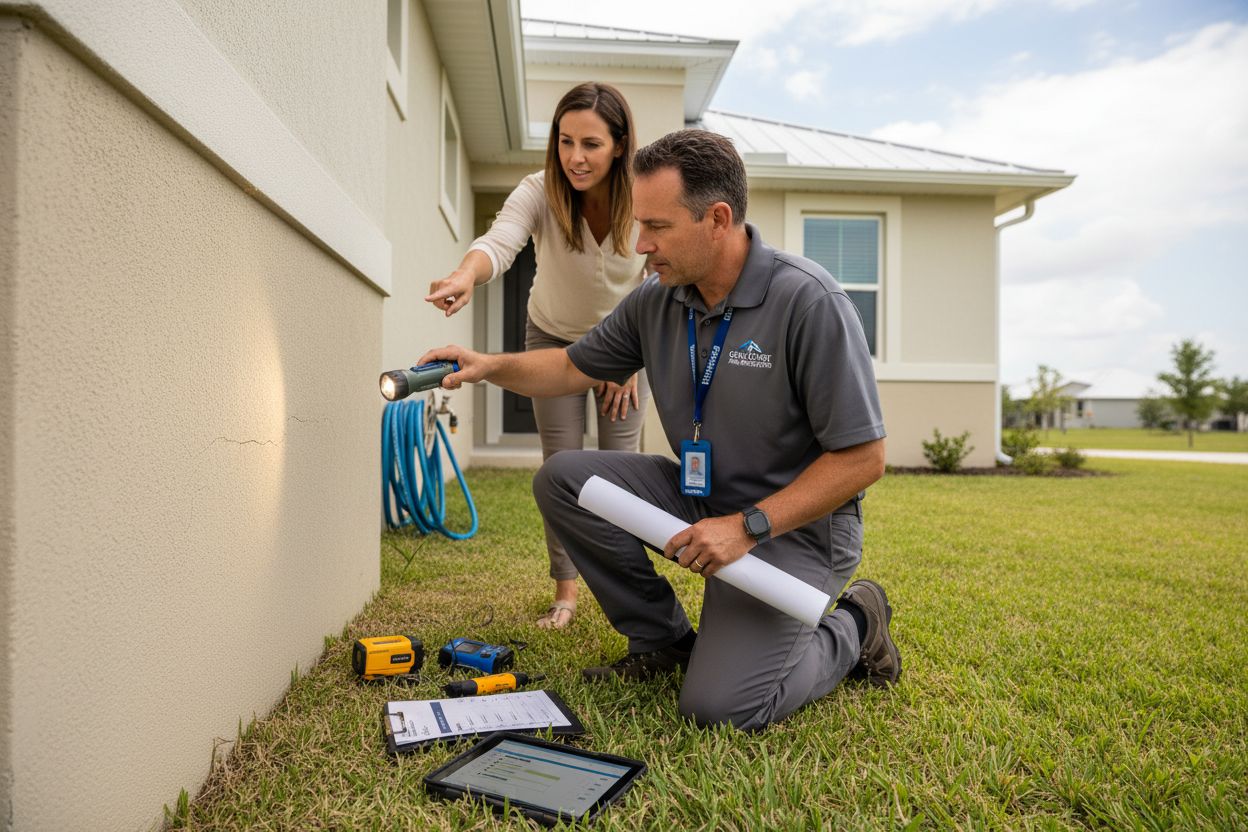
Buying a home can be the biggest investment many people make, yet nearly 90 percent of buyers request a home inspection before closing the deal. Getting a certified home inspector on your side can protect you from costly surprises and give you a clear picture of what you are really buying. With detailed evaluations and strict standards, certified inspectors help you avoid hidden problems and make confident real estate decisions.
Key Takeaways
Point | Details |
Role of Certified Home Inspectors | They conduct thorough evaluations of property conditions, helping buyers and sellers identify potential issues and make informed decisions. |
Certification Standards | Certification ensures inspectors adhere to rigorous knowledge and ethical standards, enhancing trust and reliability in property assessments. |
Benefits for Buyers and Sellers | Inspections reveal hidden issues, fostering negotiation opportunities for buyers and increasing property marketability for sellers. |
Legal Protections | Certified inspectors provide safeguards against conflicts of interest and ensure objective evaluations, protecting clients from legal and financial risks. |
Table of Contents
What Certified Home Inspectors Do
Certified home inspectors are professional evaluators who provide comprehensive assessments of a property’s physical condition and potential issues. Home inspections represent a critical step in real estate transactions, offering potential buyers or homeowners an in-depth understanding of a property’s structural integrity, safety, and potential maintenance requirements.
According to industry standards developed by professional associations like ASHI and InterNACHI, home inspectors systematically examine multiple critical components of a residential property, including:
Structural elements: Foundation, walls, roof, and framing
Electrical systems: Wiring, panels, and overall electrical infrastructure
Plumbing systems: Pipes, water pressure, drainage, and potential leaks
HVAC functionality: Heating, ventilation, and air conditioning performance
Insulation and ventilation: Energy efficiency and potential moisture problems
Potential safety hazards: Fire risks, structural weaknesses, and environmental concerns
As research indicates, home inspectors follow state-specific regulations and provide an independent, professional evaluation typically conducted under real estate purchase contract contingency clauses. Learn more about the role of inspectors in real estate to gain deeper insights into this critical professional service. Their comprehensive reports help homebuyers make informed decisions, potentially saving thousands in unexpected repair costs by identifying issues before finalizing a property purchase.
Certification Requirements and Standards
Home inspector certification represents a critical process that ensures professionals meet rigorous standards of knowledge, competence, and ethical conduct. Professional certifications are not just optional credentials but essential qualifications that demonstrate an inspector’s commitment to excellence and comprehensive understanding of property evaluation techniques.
According to the American Society of Home Inspectors (ASHI), becoming a Certified Home Inspector involves multiple stringent requirements. As detailed by their certification process, inspectors must:
Pass the comprehensive National Home Inspector Examination
Complete a minimum of 250 fee-paid professional inspections
Submit detailed inspection reports for professional review
Agree to and maintain a strict Code of Ethics
Earn continuing education credits annually to stay current with industry standards
Similarly, InterNACHI offers another respected certification pathway for home inspectors. Their Certified Professional Inspector (CPI) credential requires a multi-step process including:
Passing a comprehensive online examination
Completing mandatory Code of Ethics and Standards of Practice courses
Submitting mock inspection reports for evaluation
Maintaining active professional membership
Participating in periodic re-examinations and continuing education
Learn more about certification standards with our complete guide, which provides deeper insights into the rigorous qualifications that set professional home inspectors apart from amateur evaluators. These certification processes ensure that homebuyers receive accurate, reliable, and professionally conducted property assessments.
Benefits for Homebuyers and Sellers
Certified home inspections provide critical advantages for both homebuyers and sellers, transforming what could be a stressful real estate transaction into a transparent, informed process. Professional home inspections offer a comprehensive evaluation that protects the interests of all parties involved, revealing crucial information about a property’s true condition.
For homebuyers, a certified inspection delivers multiple strategic benefits:
Uncover potential hidden problems before purchase
Estimate future maintenance and repair costs
Negotiate price adjustments based on inspection findings
Avoid unexpected expensive repairs after moving in
Make confident, well-informed purchasing decisions
Sellers also gain significant advantages from professional home inspections. According to industry research, proactively obtaining a pre-listing inspection can help sellers:
Identify and address potential issues before listing
Increase property marketability
Demonstrate transparency to potential buyers
Potentially command a higher selling price
Reduce likelihood of sale falling through due to unexpected problems
Explore comprehensive insights about home inspection services to understand how these professional evaluations create value for both buyers and sellers. By providing an objective, detailed assessment, certified inspectors help transform real estate transactions into smoother, more predictable experiences.
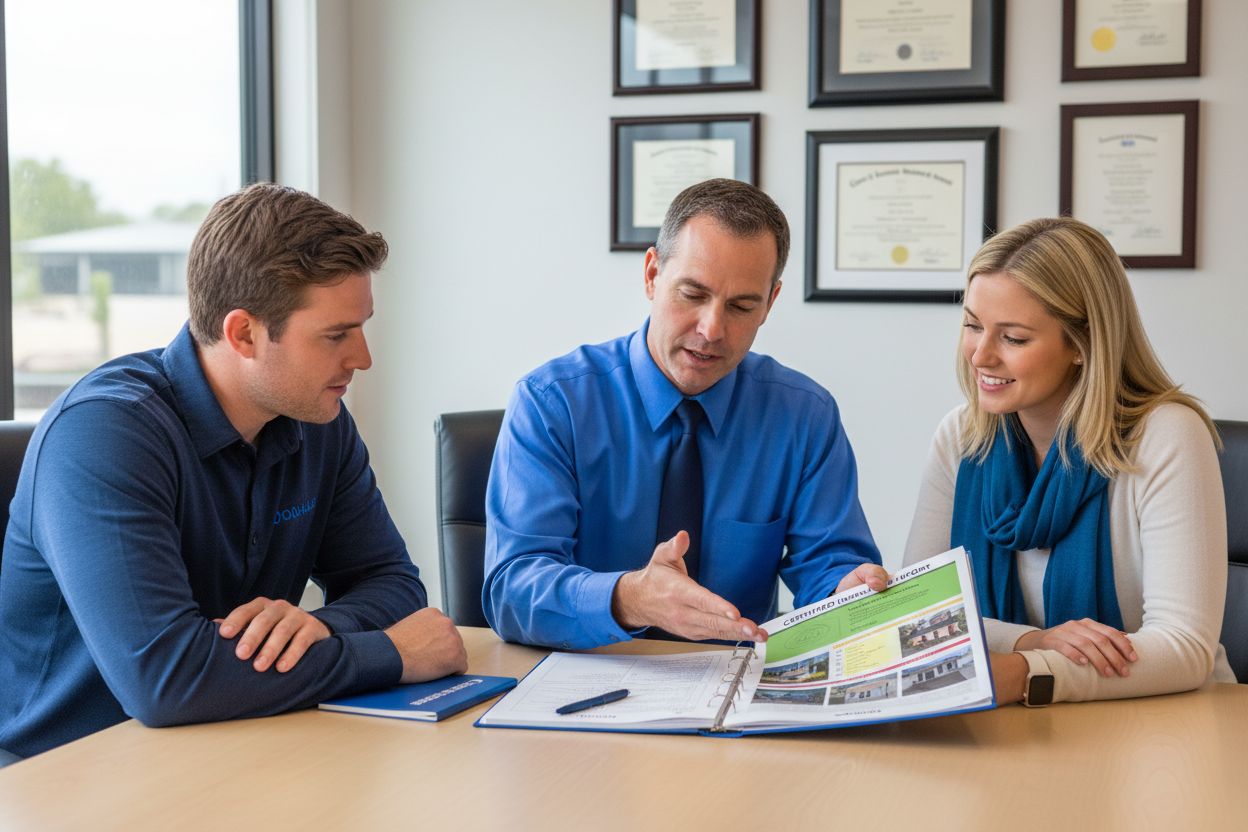
Legal Protections and Risk Reduction
Certified home inspections provide critical legal safeguards that protect both property buyers and sellers from potential financial and legal complications. These professional evaluations serve as an essential risk management tool, offering a structured approach to identifying and addressing potential property issues before they escalate into costly disputes.
The legal framework surrounding home inspections is designed to maintain professional integrity and minimize conflicts of interest. According to industry regulations, certified home inspectors are bound by strict ethical and professional standards that include:
Maintaining complete objectivity during property assessments
Providing accurate and comprehensive inspection reports
Avoiding conflicts of interest in property evaluations
Adhering to state-specific legal requirements and guidelines
Carrying professional liability insurance to protect clients
Professional inspectors are legally restricted from engaging in certain practices that could compromise their objectivity. For instance, state laws typically prohibit inspectors from both inspecting and repairing the same property, ensuring an unbiased evaluation that protects the client’s interests. These legal constraints create a transparent process that:
Prevents potential manipulation of inspection findings
Ensures independent and objective property assessments
Protects both buyers and sellers from unethical practices
Provides a clear, documented evaluation of property condition
Establishes a professional standard of care
Learn more about understanding the role of inspectors in real estate to gain deeper insights into how these legal protections safeguard your property investment. By choosing a certified home inspector, you’re not just getting a property assessment – you’re securing a professionally validated evaluation that protects your legal and financial interests.
Comparing Certified vs. Non-Certified Inspectors
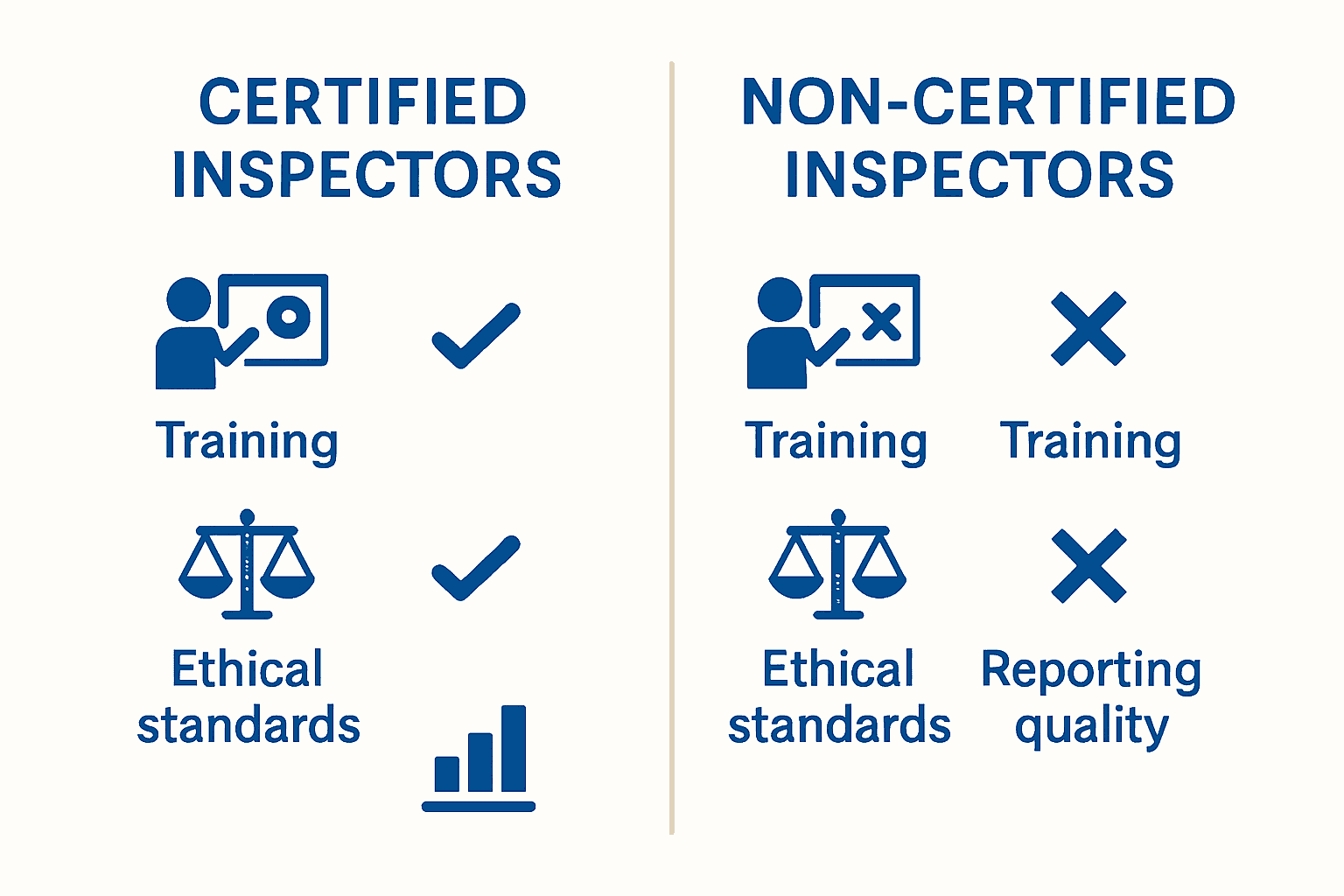
Choosing between certified and non-certified home inspectors can significantly impact the quality and reliability of your property assessment. While both types of inspectors may conduct property evaluations, certified professionals bring a level of expertise, accountability, and standardization that sets them apart from their non-certified counterparts.
Certified home inspectors, such as those accredited by ASHI or InterNACHI, demonstrate a commitment to professional excellence through:
Rigorous national standard compliance
Comprehensive formal testing and training
Mandatory continuing education
Strict ethical code adherence
Third-party professional accreditation
In contrast, non-certified inspectors—especially in states with minimal regulatory requirements—often lack the structured professional development and accountability of certified professionals. The key differences become apparent in several critical areas:
Depth of technical knowledge
Consistency of inspection methodologies
Understanding of complex property systems
Ability to provide comprehensive reporting
Professional liability and insurance coverage
Learn what to look for in a home inspector to understand how certification translates into tangible benefits for your property assessment. While non-certified inspectors might offer lower prices, certified professionals provide a level of expertise and reliability that can potentially save you thousands in unexpected repair costs and provide peace of mind during your real estate transaction.
Here’s a comparison of certified vs. non-certified home inspectors:
Criteria | Certified Inspectors | Non-Certified Inspectors |
Training & Exams | Formal testing Ongoing education | Varies No mandatory exams |
Professional Standards | Strict code of ethics | Limited or no standards |
Inspection Consistency | Standardized process | Can be inconsistent |
Reporting Quality | Detailed & comprehensive | May be basic or incomplete |
Liability Insurance | Usually required | Often not required |
Accountability | Third-party oversight | Self-regulated |
Choose Confidence and Integrity With Certified Home Inspections
Navigating the home buying or selling process can be stressful, especially when the condition of your property is uncertain. The article highlights how relying on a certified home inspector is essential for avoiding hidden problems, unexpected repairs, and legal complications. If what you want is peace of mind, a thorough assessment, and a partner who values honesty and excellence, then it’s time to work with a trusted professional. Discover how our detailed approach can protect your investment, whether you need a pre-listing check or a comprehensive inspection before closing.
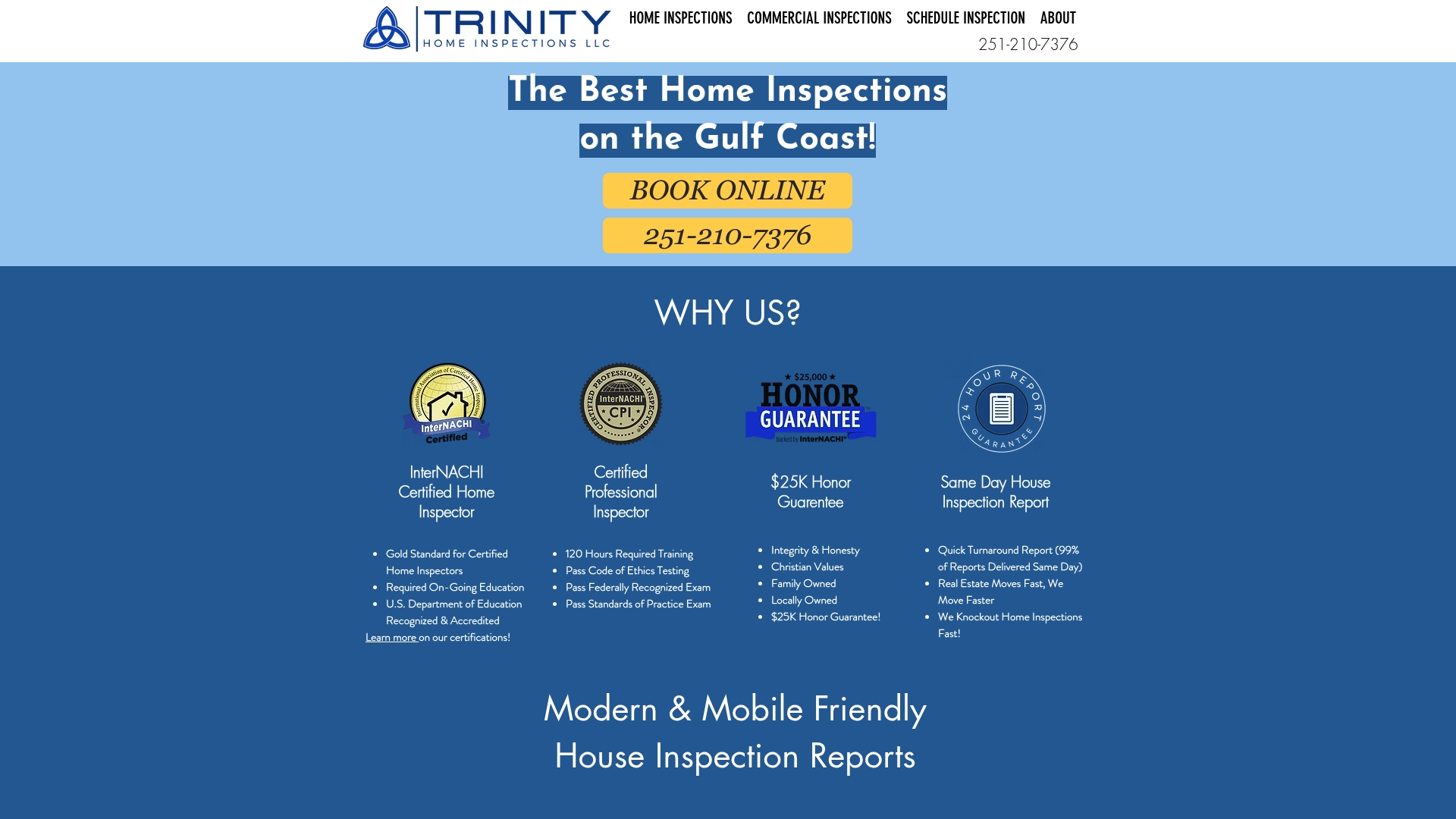
Why settle for less when you can have an expert guide you through the process? Schedule your inspection today with Trinity Home Inspections to experience transparent service, clear communication, and in-depth reporting. If you would like to see all the ways our services support your real estate decisions, visit our Home Inspection Services Overview and learn what to look for in a home inspector. Make your next move with confidence. Act now to secure expert guidance for your property.
Frequently Asked Questions
What is the role of certified home inspectors?
Certified home inspectors evaluate a property’s physical condition, including structural elements, electrical and plumbing systems, and potential safety hazards. Their assessments help buyers and sellers understand property issues before finalizing transactions.
Why is certification important for home inspectors?
Certification indicates that home inspectors have met rigorous industry standards for knowledge and ethics. Certified inspectors undergo comprehensive training, testing, and continuing education, ensuring that they provide reliable and accurate property assessments.
What benefits do certified home inspections offer to homebuyers?
Certified home inspections help uncover hidden problems, estimate future repair costs, and provide leverage for price negotiations. They ensure well-informed purchasing decisions, reducing the risk of unexpected expenses after moving in.
How do certified home inspectors differ from non-certified inspectors?
Certified inspectors undergo formal training and adhere to strict ethical standards, providing consistent and reliable evaluations. Non-certified inspectors may lack formal training, leading to varied quality and reliability in inspections.
Recommended

