
Electrical Inspections: Complete Guide for Homeowners

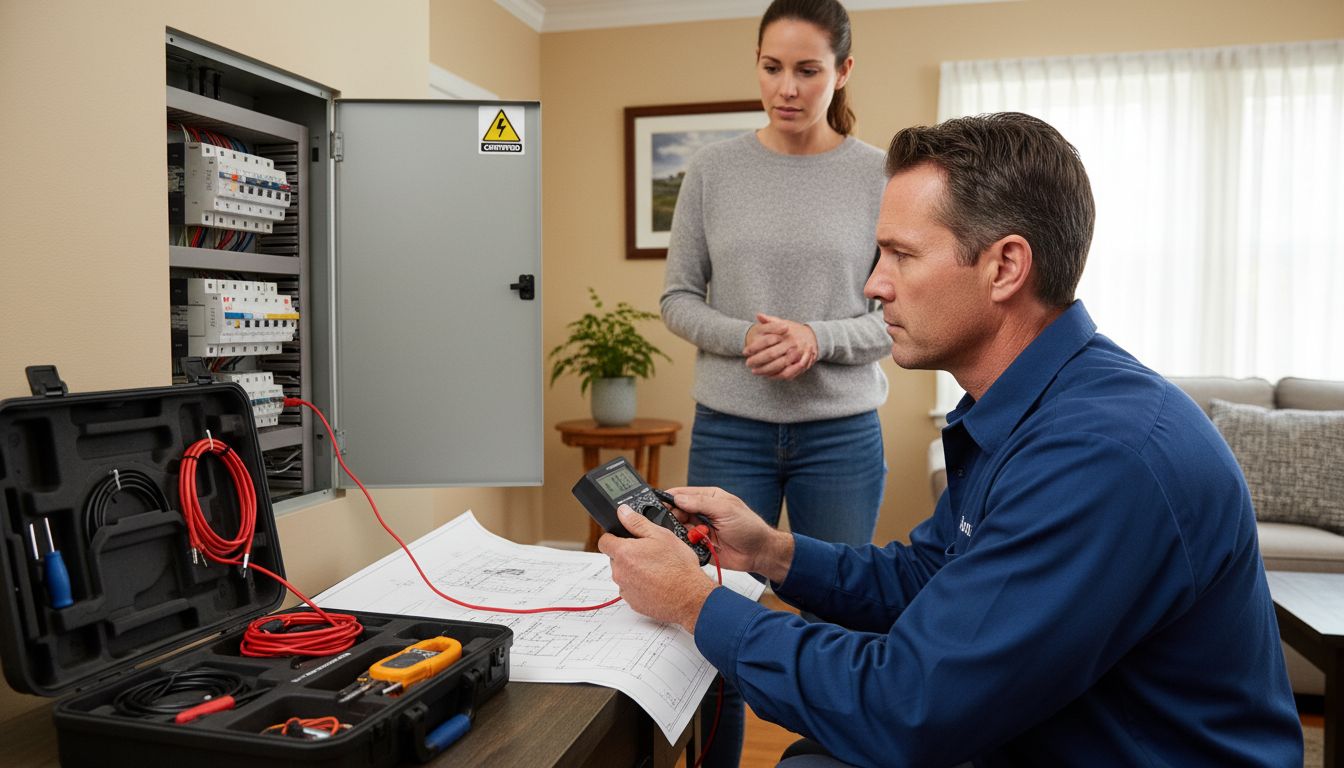
Electrical problems cause nearly 13 percent of all residential fires in the US every year. With so much at stake, understanding electrical inspections is more than just a routine task for homeowners. These safety checks not only protect your family and property but also uncover hidden risks that might otherwise go unnoticed. By learning how inspections work and what issues they often uncover, you can make informed decisions to keep your home safe and up to code.
Table of Contents
Key Takeaways
Point | Details |
Importance of Electrical Inspections | Regular electrical inspections are essential for ensuring safety, compliance with codes, and preventing potential hazards in homes. |
Types of Inspections | Various inspection types, including preliminary, underground, and final inspections, serve specific purposes to maintain electrical system integrity. |
Common Electrical Issues | Inspections often reveal outdated systems, wiring issues, and code violations that can pose serious safety risks. |
Who Needs Inspections | Homebuyers, sellers, property investors, and existing homeowners should prioritize inspections to safeguard their properties and investments. |
What Is an Electrical Inspection?
An electrical inspection is a critical safety evaluation that examines the electrical systems in a home to ensure they meet established safety standards and building codes. According to Washington Labor & Industries, these inspections are designed to safeguard persons and property from potential electrical hazards.
During an electrical inspection, a qualified professional will systematically review your home’s entire electrical infrastructure. This comprehensive assessment covers multiple critical components, including electrical panels, wiring, outlets, circuit breakers, grounding systems, and overall electrical installation quality. International Association of Electrical Inspectors notes that inspectors verify compliance with the National Electrical Code to protect individuals and property.
The primary goals of an electrical inspection extend beyond simple compliance. These evaluations help identify potential safety risks, outdated wiring, improper installations, and electrical system vulnerabilities that could lead to dangerous situations like electrical fires or shock hazards. Homeowners can expect inspectors to check for:
Proper electrical panel configuration
Correct wire gauge and installation
Adequate grounding and bonding
Compliance with current building codes
Identification of potential fire risks
Assessment of overall electrical system health
Whether you’re buying a new home, selling your current property, or simply maintaining your residential electrical system, a professional electrical inspection provides peace of mind and critical insights into your home’s electrical safety. For a deeper understanding of comprehensive home evaluations, check out our guide on comprehensive home inspections.
Types of Electrical Inspections for Homes
Electrical inspections for homes are not one-size-fits-all procedures. Instead, they are specialized assessments conducted at different stages of electrical system installation and maintenance. According to Augusta Government, home electrical inspections typically include several distinct types designed to ensure comprehensive safety and code compliance.
Preliminary Electrical Inspections are crucial initial evaluations that occur before major electrical work begins. These inspections include underground assessments after conduit installation and groundwork evaluations. Salem VA Government highlights that these early inspections help verify proper initial electrical system setup before any additional construction or concealment occurs.
The primary types of residential electrical inspections include:
Underground Inspection: Conducted after initial conduit and underground electrical line installation
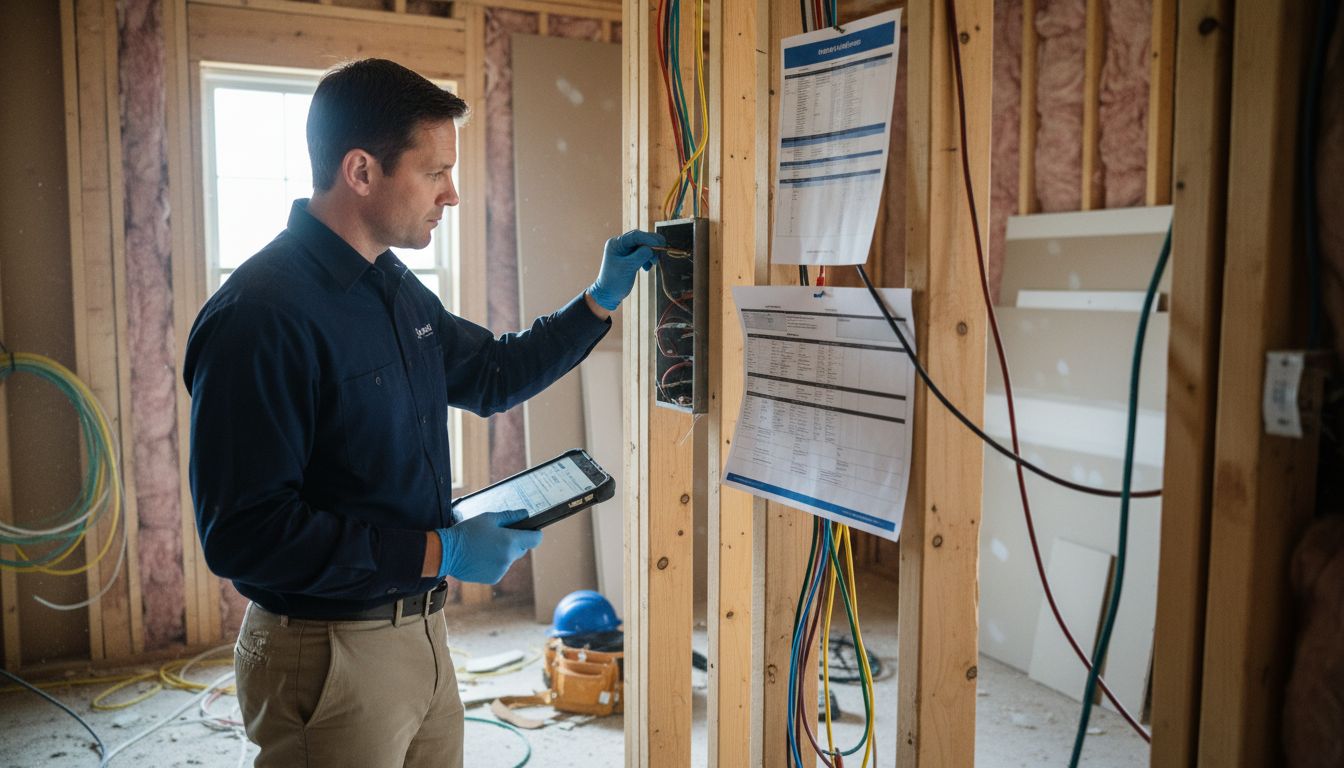
Rough-In Inspection: Performed before walls are closed or electrical systems are concealed
Temporary Power Inspection: Verifies temporary electrical setups meet safety standards
Final Inspection: Completed after all electrical fixtures and systems are fully installed
Renovation Inspection: Specifically targeting electrical work during home remodeling projects
Each inspection type serves a unique purpose in maintaining electrical system integrity and protecting homeowners from potential hazards.
To gain deeper insights into comprehensive home evaluations, explore our guide on home inspection types. Professional electrical inspections are not just about compliance - they’re about ensuring your home’s electrical systems are safe, efficient, and ready to support your family’s needs.
Key Steps in the Electrical Inspection Process
The electrical inspection process is a systematic approach to evaluating your home’s electrical systems for safety and code compliance. Augusta Government outlines a comprehensive process that involves multiple critical stages, each designed to ensure thorough examination of electrical infrastructure.
The inspection typically unfolds through several key stages, each serving a specific purpose in assessing electrical system integrity. Preliminary Inspection involves reviewing the initial electrical design and planned installation. Underground Inspection follows, where inspectors carefully examine conduit installations and underground electrical lines before they are covered or concealed.
The most critical steps in the electrical inspection process include:
Pre-Installation Review
Examine electrical system design
Verify compliance with local building codes
Review proposed electrical layout
Underground Inspection
Check conduit installation
Verify proper underground line placement
Ensure correct depth and protection of electrical lines
Rough-In Inspection
Evaluate electrical wiring before wall closure
Check circuit breaker and panel installations
Confirm proper wire routing and connections
Final Inspection
Verify all electrical fixtures are correctly installed
Test electrical system functionality
Confirm complete compliance with safety standards
For homeowners navigating the complexities of electrical inspections, understanding these steps can make the process less intimidating.
Want to dive deeper into home inspection processes? Check out our guide to understanding home inspection reports to gain comprehensive insights into what inspectors look for and how to interpret their findings.
Common Electrical Issues Found During Inspections
Electrical inspections reveal a range of potential hazards that can compromise home safety and functionality. Home Inspector reports highlight that common electrical issues can pose significant safety risks if left unaddressed, making thorough inspections crucial for homeowners.
Wiring Problems represent one of the most critical concerns identified during electrical inspections. According to Home Inspector, inspectors frequently encounter issues that can create serious safety hazards. These problems often develop over time or result from improper initial installation.
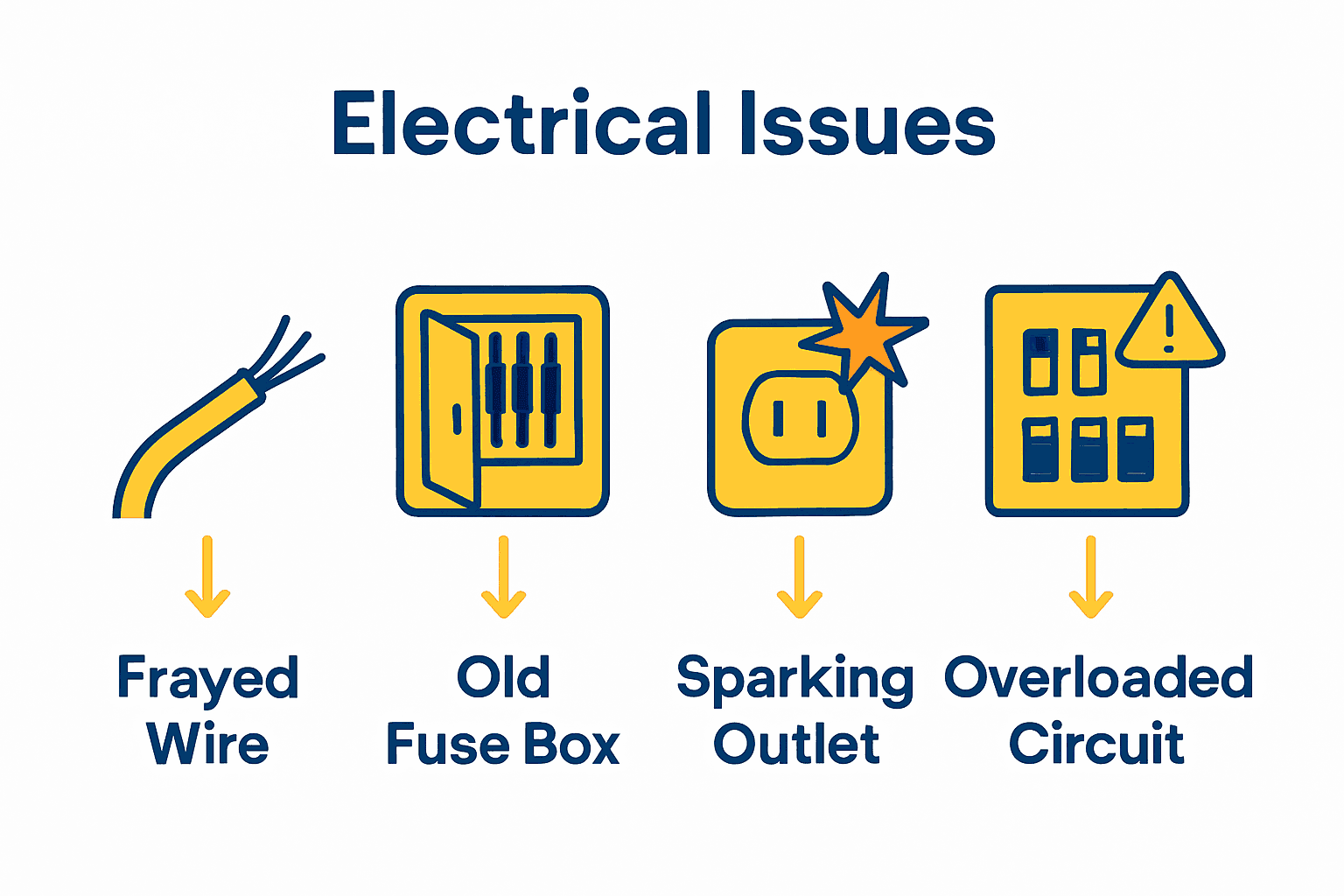
The most frequently discovered electrical issues include:
Outdated Electrical Systems
Knob and tube wiring
Obsolete fuse boxes
Insufficient amperage for modern electrical demands
Wiring Complications
Improper wire connections
Exposed or frayed wiring
Incorrect wire gauge for circuit load
Safety Hazards
Inadequate grounding
Overloaded circuits
Improperly installed electrical panels
Code Violations
Lack of GFCI outlets in wet areas
Incorrect outlet spacing
Missing or damaged electrical covers
Understanding these potential issues can help homeowners proactively address electrical risks.
For those concerned about specific electrical panel dangers, our detailed guide on Federal Pacific Stab-Lok electrical panels provides in-depth insights into one of the most notorious electrical system risks.
Legal Requirements and Safety Codes in Alabama
Electrical safety regulations in Alabama are comprehensive and designed to protect homeowners and residents from potential electrical hazards. Augusta Government mandates strict electrical inspection protocols that cover multiple stages of electrical system installation and maintenance, ensuring rigorous safety standards are consistently met.
Electrical Inspection Mandates in Alabama are more than just bureaucratic requirements. Salem VA Government highlights that these regulations encompass various critical inspection types, each serving a specific purpose in maintaining electrical system integrity and safety.
Key legal requirements and safety codes for electrical systems in Alabama include:
Mandatory Inspection Types
Underground electrical inspections
Rough-in electrical inspections
Temporary power system inspections
Final electrical system inspections
Safety Code Compliance
Adherence to National Electrical Code (NEC)
Proper grounding requirements
Circuit load and capacity regulations
Outlet and fixture installation standards
Residential Electrical Regulations
Minimum wire gauge specifications
GFCI outlet placement requirements
Electrical panel safety standards
Renovation and upgrade inspection protocols
For homeowners navigating these complex requirements, understanding local regulations is crucial. Want to delve deeper into home safety practices specific to Alabama? Check out our guide on home safety inspection steps for Alabama buyers to gain comprehensive insights into protecting your property and family.
Who Needs an Electrical Inspection and Why
Electrical inspections are crucial for maintaining home safety and preventing potential hazards across various scenarios. TMUK emphasizes that homeowners should prioritize regular electrical inspections to ensure compliance, prevent risks, and maintain optimal energy efficiency.
Different scenarios demand electrical inspections, each with unique considerations and critical motivations. Homeowners, property investors, real estate professionals, and prospective buyers all benefit from comprehensive electrical system assessments that reveal hidden potential problems and ensure system integrity.
Key groups that require electrical inspections include:
Homebuyers
Verify electrical system safety before purchase
Identify potential repair or upgrade needs
Understand potential future maintenance costs
Home Sellers
Proactively address electrical system issues
Increase property marketability
Prevent last-minute sale complications
Property Investors
Assess electrical system condition before investment
Estimate potential renovation requirements
Evaluate overall property infrastructure
Existing Homeowners
Conduct periodic safety checks
Ensure ongoing system performance
Prevent potential electrical failures
For those looking to understand the broader context of home evaluations, our guide on essential home inspection types provides comprehensive insights into protecting your property investment.
Ensure Your Home’s Electrical Safety with Trinity Home Inspections
Navigating the complexities of electrical inspections can feel overwhelming. This guide highlights common risks like outdated wiring, insufficient grounding, and code violations that can put your family and home at risk. Whether you are buying, selling, or maintaining your property, understanding the steps and inspections involved is critical to protecting your investment and ensuring peace of mind.

Take control of your home’s safety today by choosing a trusted partner. At Trinity Home Inspections, we bring local expertise, integrity, and detailed knowledge of Alabama’s electrical safety codes directly to your doorstep. With thorough assessments that cover everything from preliminary inspections to final approvals, we help you uncover hidden electrical issues before they become costly problems. Visit Trinity Home Inspections now to schedule your professional electrical inspection and secure your home’s future. Learn more about essential home inspection types and the importance of comprehensive home inspections to maximize your investment and confidence.
Frequently Asked Questions
What is the purpose of an electrical inspection?
An electrical inspection evaluates a home’s electrical systems to ensure they meet safety standards and building codes, identifying potential hazards and compliance issues to protect residents and property.
What are the types of electrical inspections for homes?
The primary types of electrical inspections include preliminary inspections, underground inspections, rough-in inspections, final inspections, and renovation inspections, each focusing on different stages of electrical system installation and safety.
What common electrical issues are found during inspections?
Common issues include outdated systems, wiring complications such as improper connections or frayed wiring, safety hazards like overloaded circuits, and code violations such as missing GFCI outlets.
Who should consider having an electrical inspection done?
Homebuyers, home sellers, property investors, and existing homeowners should all consider electrical inspections to ensure safety, identify potential issues, and maintain the integrity of electrical systems.
Recommended

