
7 Essential Home Safety Inspection Steps for Alabama Buyers

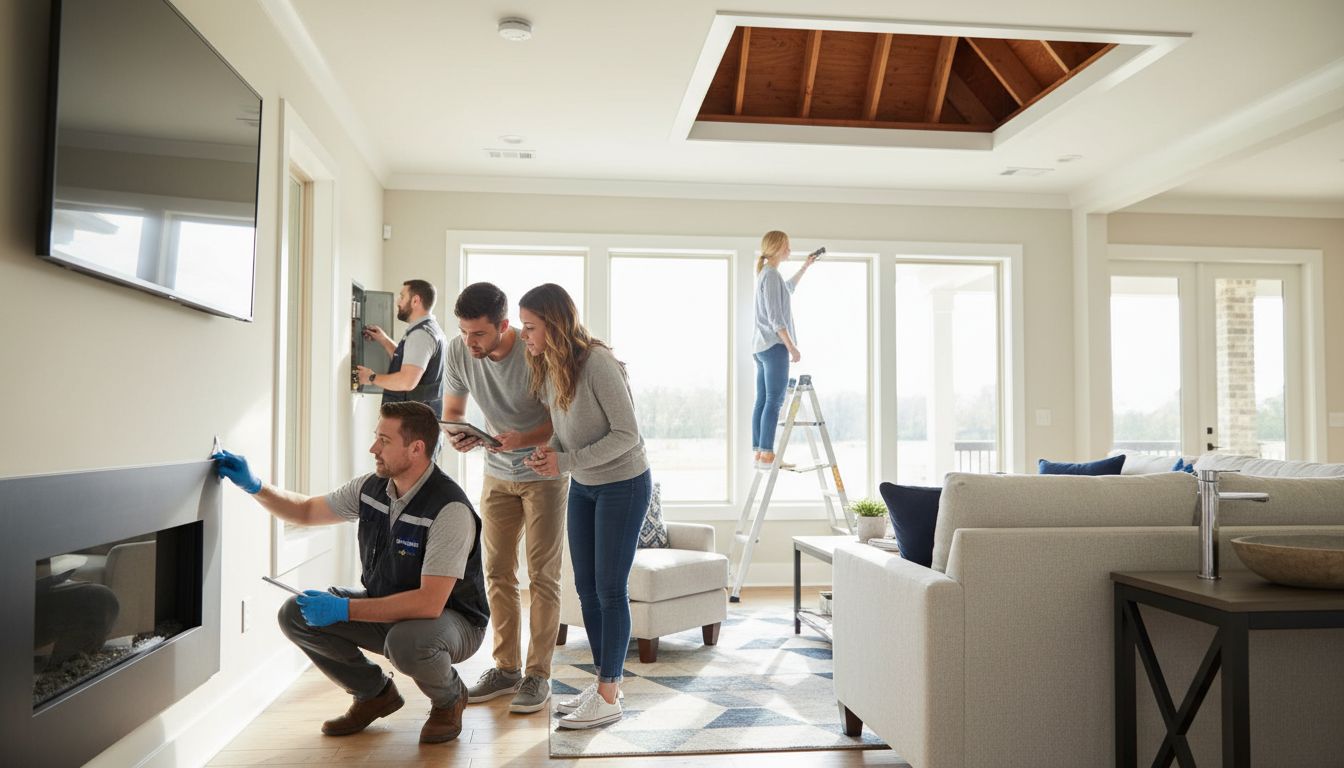
Did you know that over 60 percent of Alabama homes face at least one major hidden issue during inspection? Spotting serious problems early can protect your budget and your health. From crumbling foundations to outdated electrical panels and hidden mold, every home buyer needs to know where dangers like these can hide. With the right inspection steps, you can avoid surprise repairs and feel confident about your investment.
Table of Contents
Quick Summary
Takeaway | Explanation |
1. Get a foundation assessment before buying | A professional evaluation can reveal hidden issues and save you from costly repairs down the line. |
2. Conduct thorough roof inspections regularly | Inspect shingle condition and drainage systems to prevent water damage and maintain structural integrity of your home. |
3. Ensure electrical systems are safe and compliant | A professional inspection can identify outdated wiring and systems that may pose fire hazards or safety risks. |
4. Inspect plumbing to prevent hidden damages | Look for signs of leaks and water damage; these can lead to mold growth and costly repairs. |
5. Evaluate HVAC systems for efficiency | Regular inspections help maintain air quality and can reduce energy bills while ensuring optimal system function. |
1. Check for Structural Integrity and Foundation Issues
Foundation problems can turn your dream Alabama home into a financial nightmare. According to the U.S. Department of Housing and Urban Development, identifying potential structural issues is critical to ensuring your property’s long term stability and safety.
Foundation inspections go far beyond a simple visual assessment. Structural integrity involves examining multiple critical elements that impact your home’s overall stability and safety. These include checking for foundation cracks, assessing potential water infiltration points, evaluating soil conditions, and understanding how ground movement might compromise your home’s structural framework.
Alabama’s specific administrative code requires home inspectors to thoroughly assess structural components. This means a comprehensive review that looks beyond surface appearances to uncover potential hidden problems. Professional inspectors will examine:
Foundation wall integrity
Floor and wall alignment
Evidence of settling or shifting
Potential moisture intrusion points
Concrete slab conditions
While some foundation issues might seem minor, they can quickly escalate into expensive repairs. A small crack today could become a significant structural problem tomorrow. What Does a Home Inspection Consist Of provides additional insights into understanding these critical assessment details.
Experts recommend getting a professional foundation assessment before finalizing your home purchase. This proactive step can save you thousands in potential repair costs and provide peace of mind about your investment. Remember. Not all foundation problems are immediately visible to an untrained eye.
2. Inspect the Roof, Gutters, and Attic Spaces
Your home’s roof is its first line of defense against Alabama’s unpredictable weather. A comprehensive roof inspection goes beyond surface level observations to protect your most significant investment.
Roof assessments involve multiple critical components that can significantly impact your home’s overall structural health. The U.S. Department of Housing and Urban Development emphasizes thorough drainage system evaluations to prevent potential water damage and maintain property integrity.
Professional home inspectors will meticulously examine:
Roof shingle condition and potential wear
Evidence of water damage or leaks
Gutter alignment and drainage functionality
Attic ventilation and insulation quality
Structural integrity of roof framing
Alabama’s specific home inspection standards mandate a comprehensive review of roof coverings and drainage systems. This means checking for subtle signs of damage that untrained eyes might miss. Small issues like minor shingle cracks or gutter misalignments can quickly escalate into expensive repair projects if left unaddressed.
Essential DIY Gutter Cleaning Maintenance provides additional insights into maintaining these critical home components. Pay special attention to potential water infiltration points and ensure proper drainage to protect your home’s foundation and structural integrity.
Remember. A thorough roof and attic inspection is not just about current condition but preventing future costly repairs. Professional assessments can save you thousands in potential damage mitigation.
3. Evaluate Electrical Systems for Safety Risks
Your home’s electrical system is a complex network that can pose serious safety risks if not properly maintained. Overlooking electrical issues could mean the difference between a safe living environment and a potential fire hazard.
Electrical system inspections are critical for protecting your family and property. Alabama’s home inspection standards require a comprehensive evaluation of electrical components to ensure compliance and safety. Professional inspectors will thoroughly examine multiple aspects of your electrical infrastructure.
Key areas of electrical system assessment include:
Condition of electrical service panel
Wiring integrity and potential code violations
Grounding and circuit protection systems
Outlet functionality and safety
Potential signs of outdated or hazardous electrical components
Understanding the Dangers of Federal Pacific Stab-Lok Electrical Panels reveals how specific electrical panel types can create hidden risks that might go unnoticed during a casual inspection.
The American Institute of Inspectors emphasizes the importance of assessing electrical systems for proper operation and potential safety risks. Old or improperly installed electrical systems can lead to significant hazards such as electrical fires electrical shock risks and increased insurance costs.
Professional inspectors look beyond surface level assessments. They understand that electrical problems often hide behind walls or in complex wiring systems. A thorough inspection can uncover potential issues that could cost thousands in repairs or pose immediate safety threats to your family.
Remember. Not all electrical problems are visible to untrained eyes. Investing in a professional electrical system evaluation is crucial for your home’s safety and your peace of mind.
4. Assess Plumbing, Fixtures, and Water Damage
Understanding your home’s plumbing system is more than just checking for leaks it is about protecting your investment and ensuring a healthy living environment. Water damage can silently destroy a property’s structural integrity and create expensive repair nightmares.
Comprehensive plumbing inspections require meticulous attention to multiple system components. Alabama’s home inspection standards mandate a thorough examination of water supply lines fixtures and potential moisture intrusion points. Professional inspectors look beyond surface level observations to uncover hidden risks.
Critical areas of plumbing assessment include:
Water pressure and flow rate
Condition of supply lines and drainage pipes
Evidence of previous water damage
Functionality of bathroom and kitchen fixtures
Signs of potential mold or mildew growth
Sewer Scope Inspections & Why You Need One provides deeper insights into understanding potential underground plumbing issues that might not be immediately visible during a standard inspection.
The Mississippi State Department of Health emphasizes that water damage goes far beyond cosmetic concerns. Hidden leaks can create environments conducive to mold growth respiratory health risks and structural deterioration. Professional inspectors use specialized moisture detection tools to reveal problems lurking behind walls or under flooring.
Understanding potential plumbing issues requires more than a casual glance. Look for subtle signs like water stains discolored walls or unexplained musty odors. These could indicate significant underlying problems that might cost thousands in unexpected repairs.
Remember. Your home’s plumbing system is its circulatory network. A comprehensive assessment can save you from potential financial and health related headaches down the road.
5. Review HVAC Systems and Ventilation Efficiency
Your home’s heating and cooling system is more than just a comfort feature it is a critical component that impacts your health energy bills and overall living environment. A comprehensive HVAC assessment can reveal potential issues before they become expensive problems.
HVAC inspections involve a multifaceted evaluation of your home’s thermal ecosystem. Alabama’s home inspection standards require a thorough examination of heating ventilation and air conditioning systems to ensure they operate safely and efficiently. Professional inspectors look beyond basic functionality to assess overall system performance.
Key areas of HVAC system assessment include:
Condition and age of primary heating and cooling units
Ductwork integrity and potential air leakage
Air filter and ventilation system cleanliness
Thermostat functionality and calibration
Energy efficiency ratings
HVAC DIY Maintenance How-To Guide offers additional insights into maintaining your system between professional inspections.
The Mississippi State Department of Health emphasizes that regular HVAC inspections are crucial for maintaining indoor air quality. Poor ventilation can lead to increased humidity mold growth and potential respiratory health risks. A professional inspection identifies these hidden problems that might not be immediately apparent.
Understanding your HVAC system goes beyond comfort. It is about creating a healthy living environment that protects your family from potential air quality issues and unexpected repair costs. Modern systems are complex networks requiring expert evaluation.
Remember. An efficient HVAC system can save you hundreds of dollars annually in energy costs. Investing in a professional inspection is investing in your home’s long term performance and your family’s comfort.
6. Test Smoke Detectors, Alarms, and Fire Exits
Your home’s fire safety system is its first line of defense against potential catastrophic emergencies. A comprehensive assessment of smoke detectors alarms and fire exits can mean the difference between life and death during a critical moment.
Fire safety inspections go far beyond simple equipment placement. Alabama’s home inspection standards mandate thorough testing of safety systems to ensure occupant protection. Professional inspectors meticulously evaluate multiple aspects of your home’s emergency preparedness infrastructure.
Critical fire safety assessment areas include:
Functional status of smoke and carbon monoxide detectors
Placement and coverage of alarm systems
Clear and accessible fire exit routes
Condition of fire extinguishers
Proper operation of self closing doors
How To Test Smoke Detectors provides additional insights into maintaining these critical safety devices.
The Mississippi State Department of Health emphasizes that regular testing is not optional. Smoke detectors can deteriorate over time losing sensitivity and potentially failing when you need them most. Professional inspections identify these subtle but dangerous vulnerabilities.
Understanding fire safety requires more than installing equipment. It means creating a comprehensive emergency response strategy that protects your entire household. Every second counts during an emergency.
Remember. A functioning smoke detector provides an average of three to four minutes of escape time during a house fire. Investing in professional safety assessments could literally save your life.
7. Identify Signs of Mold, Pests, or Hazardous Materials
Some of the most dangerous home threats are often invisible to the untrained eye. Mold pests and hazardous materials can silently compromise your health and property value without presenting obvious warning signs.
Comprehensive environmental safety assessments are crucial for protecting your household. Alabama’s home inspection standards mandate thorough investigations of potential biological and chemical risks that could impact occupant wellbeing. Professional inspectors utilize specialized techniques to uncover hidden dangers.
Key areas of environmental risk assessment include:
Visible mold growth and moisture indicators
Evidence of pest infestations
Potential asbestos or lead paint presence
Indoor air quality measurements
Signs of water damage or structural compromise
Understanding Mold in Homes offers additional insights into identifying and mitigating these critical environmental risks.
The Mississippi State Department of Health emphasizes that early detection prevents long term health complications. Some environmental hazards can cause respiratory issues neurological problems and significant property damage if left unaddressed.
Professional inspectors bring specialized knowledge and equipment to identify risks that homeowners might miss. Advanced moisture meters infrared cameras and air quality testing tools reveal subtle indicators of potential problems.
Remember. What seems like a minor issue today could become a major health and financial burden tomorrow. Investing in a comprehensive environmental safety inspection is investing in your family’s future.
This table summarizes the main steps and considerations in home inspection processes as outlined in the article, focusing on ensuring structural integrity, safety, and efficiency.
Inspection Area | Key Points & Actions | Benefits/Outcomes |
Structural Integrity & Foundation | Examine foundation cracks, soil conditions, moisture intrusion, wall alignment, and concrete slab conditions. | Prevents expensive repairs, ensures long-term stability and safety. |
Roof, Gutters & Attic | Inspect shingle condition, water damage, gutter functionality, attic insulation, and roof framing. | Protects against water damage, maintains structural health. |
Electrical Systems | Check electrical panels, wiring integrity, outlet functionality, and for outdated components. | Ensures safety, prevents fire hazards, reduces insurance costs. |
Plumbing & Water Damage | Evaluate water pressure, supply lines, fixtures functionality, and signs of mold. | Protects structural integrity, prevents mold growth and health risks. |
HVAC Systems | Assess unit condition, ductwork, air filters, and energy efficiency. | Improves energy efficiency, reduces costs, enhances indoor air quality. |
Fire Safety Systems | Test smoke detectors, alarms, fire extinguishers, and exit routes. | Increases emergency preparedness, ensures occupant safety. |
Mold, Pests & Hazardous Materials | Investigate mold growth, pest infestations, and presence of asbestos or lead. | Prevents health complications, protects property value. |
Secure Your Alabama Home Investment with Expert Inspections
Buying a home in Alabama comes with complex challenges like uncovering hidden foundation cracks, assessing electrical safety, and detecting mold or pests before problems escalate. These critical concerns can threaten your family’s safety and add unexpected costs. Don’t let uncertainty cloud your biggest investment. Trinity Home Inspections understands that thorough, professional assessments of your roof, HVAC, plumbing, and fire safety systems offer peace of mind and long-term protection.
Ready to take control of your home buying journey and avoid costly surprises?
Trust Trinity Home Inspections for reliable, detailed inspections guided by integrity and local expertise. Learn more about what does a home inspection consist of and how we can help you make informed decisions now. Protect your future by booking your professional home inspection today. Visit us at https://trinityinspectionsllc.com to schedule your service and gain confidence in your Alabama home purchase.
Frequently Asked Questions
What are the essential steps in a home safety inspection for Alabama buyers?
A comprehensive home safety inspection for Alabama buyers includes checking for structural integrity, inspecting the roof and attic, evaluating electrical systems, assessing plumbing, reviewing HVAC systems, testing safety devices like smoke detectors, and identifying signs of mold or pests. Follow these steps to ensure a thorough assessment of your potential new home.
How do I know if my home’s foundation is at risk?
Look for visible cracks in the foundation, uneven flooring, or doors and windows that stick. If you notice these signs, schedule a professional foundation assessment immediately to avoid escalating repair costs.
What should I inspect in my home’s roof and gutters?
Examine the condition of roof shingles, check for signs of leaks inside the attic, and ensure gutters are aligned for proper drainage. Take note of minor issues, such as small cracks or misalignments, and address them promptly to prevent costly repairs later on.
Why is it important to assess the electrical systems in a home?
A thorough assessment of electrical systems can reveal safety risks and ensure compliance with local codes. Schedule an inspection to evaluate the service panel and wiring integrity; this can help you avoid potential hazards like electrical fires.
How can I identify potential plumbing issues in my new home?
Look for signs of leaks, such as water stains on walls, and check the condition of fixtures for optimal performance. If you find indicators of water damage, arrange for a complete plumbing inspection to prevent hidden damage or health risks from mold.
What steps should I take to ensure fire safety in my home?
Test the functionality of smoke and carbon monoxide detectors and ensure fire exits are clear and accessible. Regularly inspect these systems and replace batteries as needed, ideally every six months, to maintain a high level of safety.
Recommended