
How Inspectors Spot Termite Holes: 40% Missed in Gulf Coast

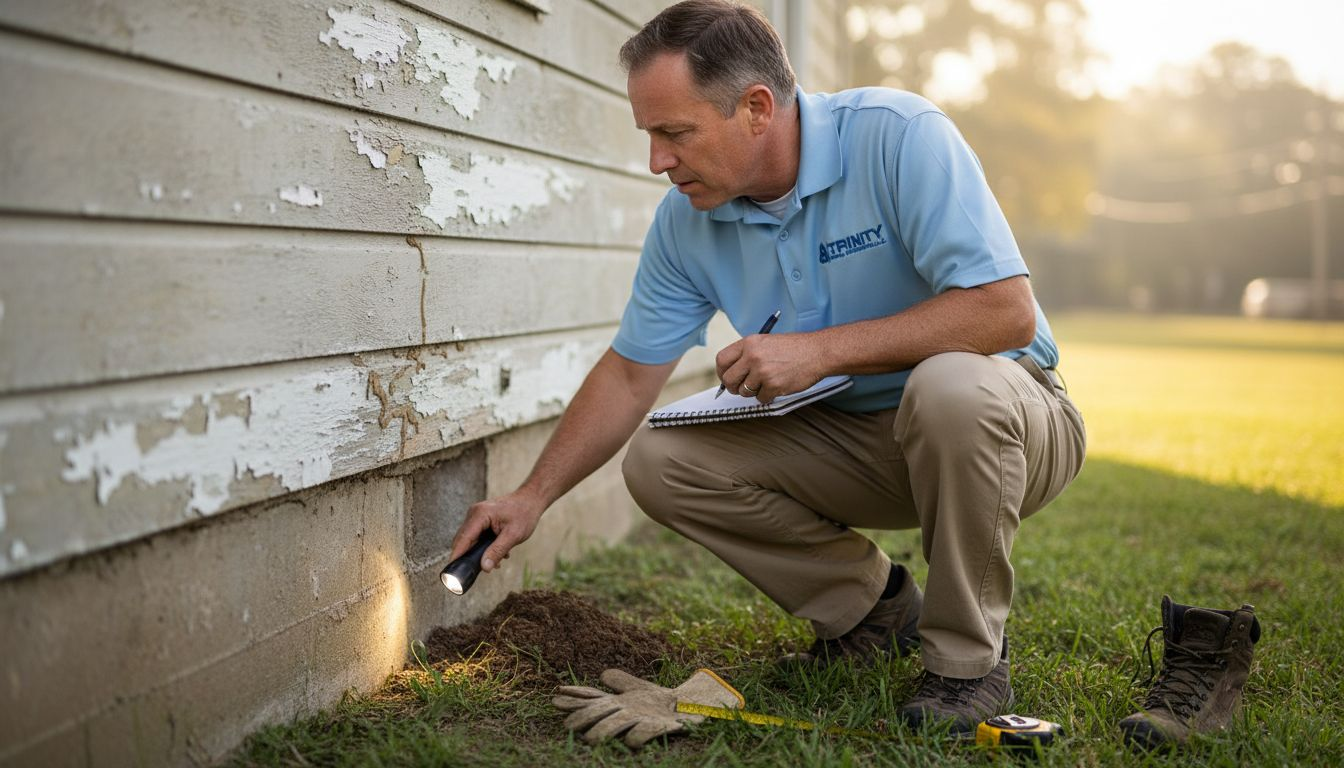
Termite damage can destroy a home’s structural integrity before you even notice the problem. Up to 40% of termite activity is missed by untrained visual inspections due to small hole size and hidden locations. Professional inspectors in Gulf Coast Alabama use specialized tools and systematic methods to detect these tiny invaders. This guide reveals exactly how trained experts locate termite holes that untrained eyes miss, helping you understand what happens during a professional inspection and why it matters for your home purchase or sale.
Key Takeaways
Point | Details |
Species Matter | Formosan and drywood termites create different hole types requiring specific detection approaches |
Visual Signs First | Inspectors look for mud tubes, frass piles, and pin-sized holes measuring 1-6 mm in hidden areas |
Technology Assists | Moisture meters and thermal imaging detect hidden activity but miss up to 25% without visual confirmation |
Systematic Process | Professional inspections combine exterior checks, tool scans, drone imaging, and documentation for accuracy |
Know the Limits | Not all termite holes are visible, and absence of mud tubes doesn’t guarantee absence of termites |
Understanding Termite Behavior and Local Species Influence on Hole Formation
The Gulf Coast Alabama region hosts two primary termite species that behave very differently. Each creates distinct evidence that inspectors must recognize during inspections.
Formosan and drywood termites differ in mud tube sizes and hole formation due to their behaviors. Formosan termites are aggressive moisture seekers. They build mud tubes up to 8 mm wide to travel between soil and wood food sources. These tubes appear as raised, mud-colored highways along foundation walls and wooden framing.
Drywood termites operate differently. They live entirely inside dry wood without needing soil contact. Their exit holes measure only 1-3 mm and appear cleaner, often resembling tiny drill holes in trim, furniture, or structural beams. These holes serve as waste disposal chutes where termites push out pellet-shaped droppings called frass.
The humid Gulf Coast climate creates year-round termite activity. High moisture content in wood makes it easier for termites to chew and digest cellulose. This constant activity means inspectors must remain vigilant regardless of season.
Species differences help inspectors anticipate which evidence to seek:
Formosan termites require moisture meter readings near mud tubes to confirm active colonies
Drywood termites demand close inspection of wood surfaces for small kick-out holes and frass piles
Coastal humidity levels above 60% support both species simultaneously in many homes
Understanding biology allows inspectors to focus on high-risk areas specific to each termite type
Knowing these biological patterns prepares inspectors to recognize subtle signs that homeowners typically overlook. For ongoing property maintenance, review our home maintenance inspection guide for prevention strategies.
Visual Identification of Termite Holes and Mud Tubes
Once inspectors understand which termite species to expect, they search for specific visual evidence. Recognizing active versus old damage requires trained observation skills.
Termite holes are typically 1-6 mm in diameter and often concealed. These tiny openings hide behind baseboards, inside wall cavities, under flooring, and within wooden beams. Their small size makes them nearly invisible to casual observers.
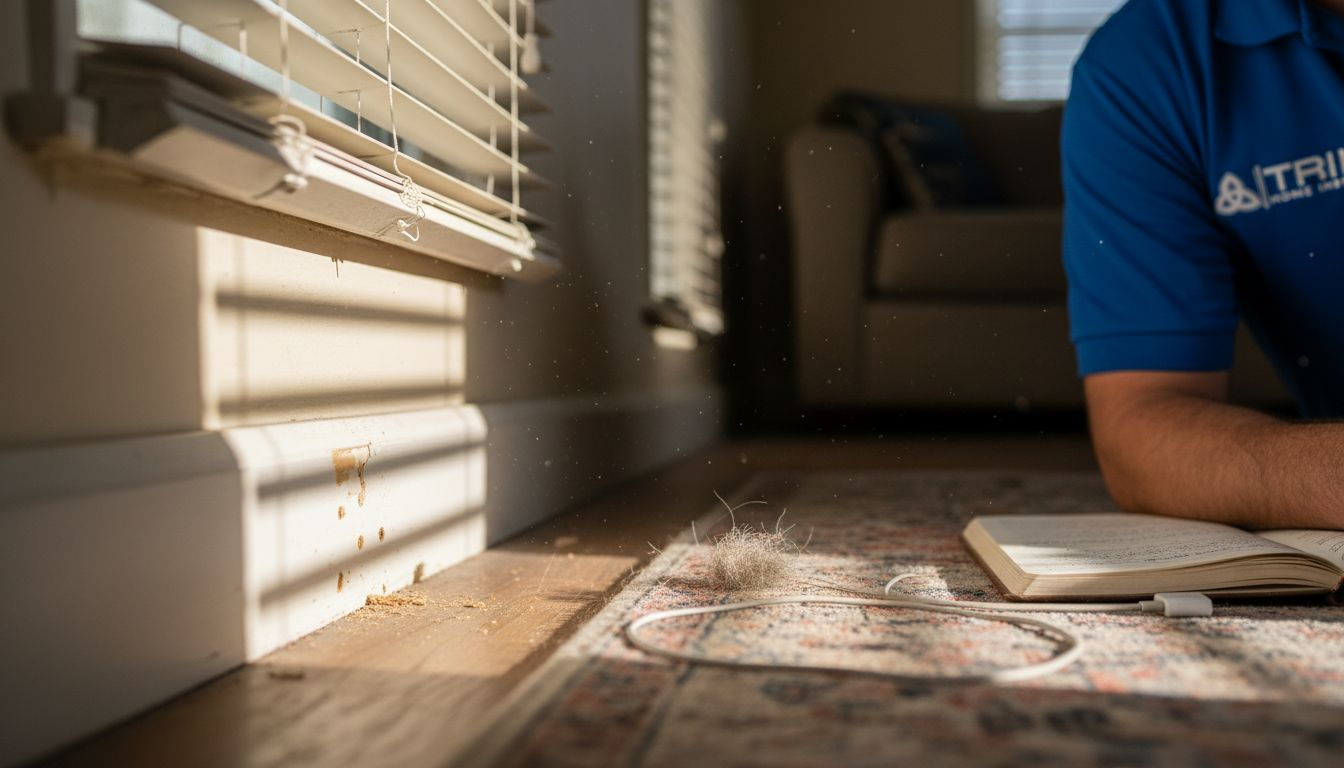
Mud tubes serve as protected highways for subterranean termites. These structures consist of soil, wood particles, and termite saliva. They measure 6-8 mm wide and feel rough to the touch. Inspectors find them running vertically along foundation walls, horizontally across concrete, and even suspended between surfaces.
Active holes show fresh evidence:
Moist frass piles beneath drywood termite kick-out holes
Intact mud tubes that feel slightly damp when touched
Wood that sounds hollow when tapped near holes
Soft spots surrounding small openings indicating ongoing feeding
Slight sawdust accumulations that weren’t present during previous inspections
Old or inactive damage presents differently. Dried frass crumbles easily. Mud tubes crack and fall apart when touched. Wood around old holes feels dry and stable rather than soft or spongy.
Inspectors also watch for secondary signs. Wood surfaces may appear slightly swollen or discolored near active infestations. Paint might bubble without obvious water damage. Doors and windows sometimes stick due to moisture and termite damage warping frames.
Comparing thermal imaging vs visual inspection methods shows why both approaches matter. Visual checks catch obvious surface evidence while technology reveals hidden problems.
Technological Tools Enhancing Termite Hole Detection
Professional inspectors never rely solely on visual observation. Modern tools reveal termite activity hidden behind walls and inside inaccessible spaces.
Moisture meters measure wood moisture content. Readings above 20% indicate conditions favorable for termite activity. Inspectors probe suspicious areas, taking multiple readings to map moisture patterns. High readings near visible holes confirm active infestations.
Thermal imaging cameras detect temperature and moisture differences invisible to the naked eye. Termite colonies generate slight heat. Their feeding creates moisture accumulation. Thermal imaging detects heat and moisture anomalies but misses up to 25% of termite activity due to environmental factors like exterior temperature, insulation masking, and seasonal variations.
Tool | Function | Strength | Limitation |
Moisture Meter | Measures wood moisture percentage | Pinpoints wet areas termites prefer | Cannot detect dry wood termites |
Thermal Camera | Reveals temperature and moisture differences | Sees through walls and floors | Environmental factors mask up to 25% of activity |
Borescope | Inspects inside wall cavities | Direct visual confirmation | Requires drilling access holes |
Acoustic Sensor | Detects termite feeding sounds | Confirms active colonies | Background noise interference |
No single tool provides complete answers. Thermal imaging might miss termites in well-insulated walls. Moisture meters cannot detect drywood termites living in furniture. Acoustic sensors struggle in noisy environments.
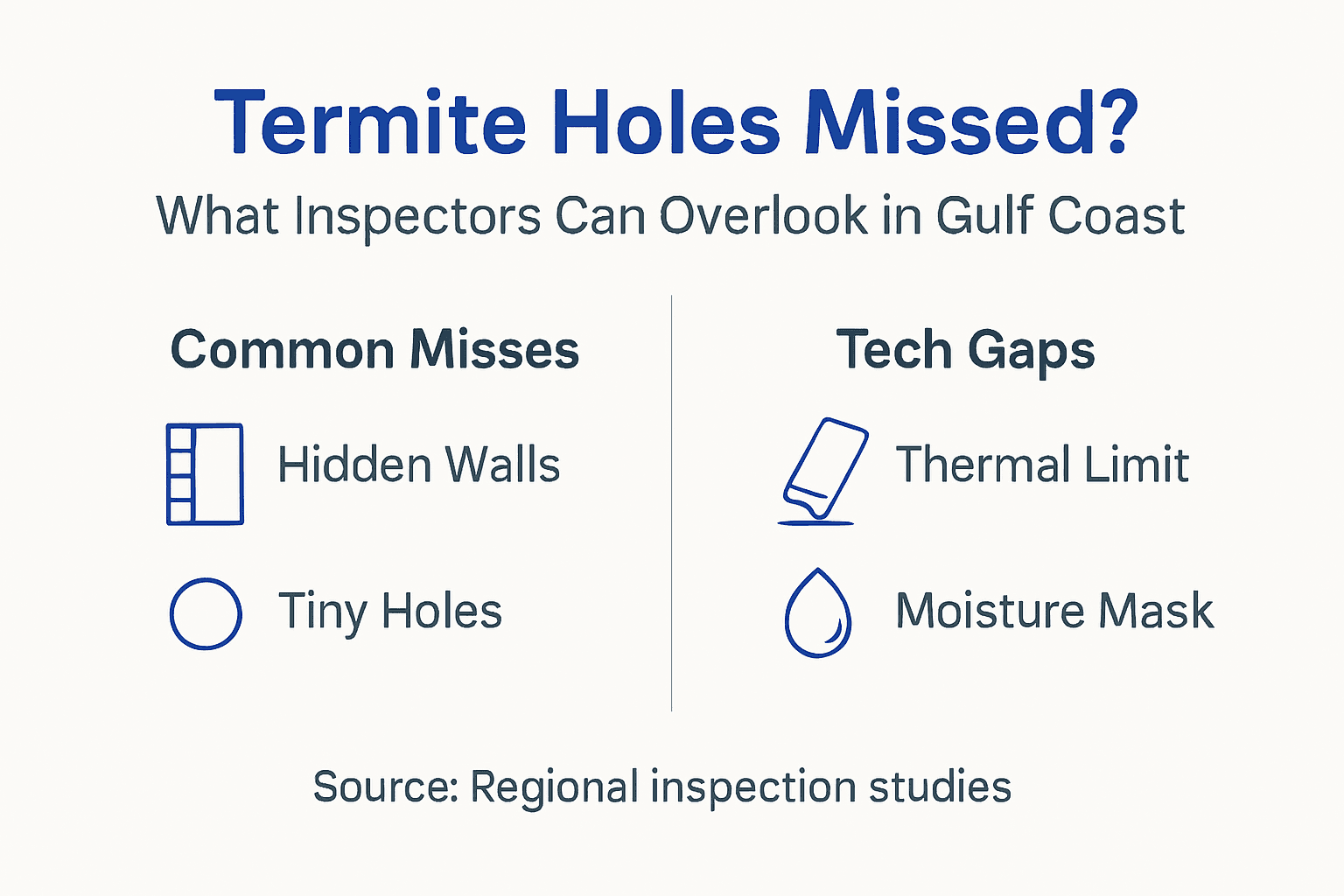
Pro Tip: Always ask your inspector which tools they’ll use and understand each tool’s limitations. The best inspections combine multiple technologies with visual expertise rather than depending on one method.
Regular calibration keeps tools accurate. Inspectors must interpret readings correctly to avoid false positives from plumbing leaks or false negatives from dry conditions. Training and experience matter as much as equipment quality.
Learn more about detection methods through our detailed thermal imaging vs visual inspection comparison.
Step-by-Step Inspection Process for Spotting Termite Holes
Professional termite inspections follow a systematic workflow. This methodical approach ensures inspectors check every vulnerable area where termite holes might hide.
Exterior Foundation Walk: Inspectors circle the home’s perimeter examining the foundation for mud tubes, wood-to-soil contact, and moisture accumulation. They check crawlspace vents, exterior wooden elements, and areas where vegetation touches the structure.
Crawlspace and Basement Examination: Using flashlights and moisture meters, inspectors probe floor joists, support posts, and subflooring. They look for mud tubes on concrete walls and test wood moisture levels in areas showing visual damage.
Moisture Meter Testing: Suspicious wood sections receive multiple moisture readings. Inspectors document readings above 20% and correlate them with visual evidence like small holes or surface discoloration.
Thermal Imaging Scans: Infrared cameras scan walls, ceilings, and floors to detect hidden moisture patterns and temperature anomalies. Inspectors mark areas requiring further investigation based on thermal signatures.
Drone Deployment: Drone-assisted inspections reveal termite holes on roofs and soffits otherwise missed. FAA-certified pilots fly drones equipped with high-resolution cameras to inspect eaves, chimneys, and roof valleys where ladder access proves dangerous or impossible.
Data Integration and Documentation: Inspectors combine visual findings, moisture readings, thermal images, and drone footage. They photograph evidence, measure hole sizes, and note locations on floor plans for comprehensive reporting.
Pro Tip: Attend your inspection if possible. Watching the inspector work helps you understand your home’s vulnerable areas and learn maintenance strategies to prevent future infestations.
This systematic approach minimizes missed termite activity. Each step builds on previous findings to create a complete picture of termite risk. Our inspection workflow guide details this process further.
For additional context on professional inspection standards, see this inspection step-by-step guide covering systematic property assessments. You can also review our step by step home inspection process specific to Gulf Coast homes.
Common Misconceptions and Inspection Limitations About Termite Holes
Many homebuyers and sellers hold unrealistic expectations about termite detection. Understanding actual inspection capabilities helps you interpret results accurately.
Not all termite holes are large or obvious. Drywood termite kick-out holes measure only 1-3 mm. They hide inside cabinets, behind trim, and under flooring where casual observers never look. Expecting to spot these without training and tools leads to dangerous oversights.
Thermal imaging misses up to 25% of termite infestations due to environmental masking. Exterior temperature extremes, thick insulation, and recent weather changes can hide thermal signatures. Relying exclusively on infrared scans creates false confidence.
Absence of visible mud tubes doesn’t guarantee termite-free status. Drywood termites never build mud tubes because they live entirely inside wood. Formosan termites sometimes construct tubes inside walls where they remain invisible during standard inspections.
Common misconceptions include:
Believing winter eliminates termite activity in Gulf Coast homes (humidity keeps them active year-round)
Assuming new construction is termite-proof (termites infest homes within months of completion)
Thinking one inspection provides permanent assurance (annual checks are recommended in high-risk areas)
Expecting inspectors to guarantee finding every termite (inspections assess visible and accessible areas only)
Professional inspectors distinguish active from old damage by examining moisture levels, frass freshness, and wood condition. Fresh frass feels powdery and shows consistent color. Old frass hardens and changes color over time. Active mud tubes bend without breaking. Old tubes crumble when touched.
Inspection limitations exist regardless of inspector skill. Inaccessible areas like sealed wall cavities, spaces beneath concrete slabs, and high attic sections may harbor hidden infestations. Inspectors document these limitations in reports to manage expectations.
Understanding these realities helps you make informed decisions. Review our home maintenance inspection guide for ongoing monitoring strategies between professional inspections.
Practical Advice for Homebuyers and Sellers in Gulf Coast Alabama
Knowing how inspectors detect termite holes empowers you to take smart action. Whether buying or selling, these strategies protect your investment.
Verify inspector credentials before scheduling. Certified inspectors with termite expertise provide clearer reports and more actionable termite hole insights. Look for InterNACHI certification, local experience with Gulf Coast termite species, and proof of ongoing education.
Ask specific questions during the booking process:
Which detection tools will you use during the inspection?
Do you include thermal imaging or charge extra for it?
Are you FAA-certified to fly drones for roof inspections?
How do you document termite evidence in your reports?
What follow-up services do you offer if termites are found?
Request detailed reports with photographic evidence. Quality reports include labeled photos of every termite hole, mud tube, and suspicious area. They should specify hole measurements, moisture readings, and thermal imaging results. Color-coded severity ratings help you prioritize repairs.
Use inspection findings strategically during negotiations. If termite holes are discovered, obtain treatment quotes before closing. Many buyers negotiate repair credits or require sellers to complete treatment before finalizing the sale. Documentation from certified inspectors strengthens your negotiating position.
Understand inspection scope and limitations. No inspector can guarantee finding every termite. They assess visible and accessible areas using standard methods. If you have specific concerns about inaccessible spaces, discuss additional testing options like wall probing or specialized equipment.
Plan for follow-up inspections in high-risk properties. Homes with previous termite damage, those adjacent to wooded areas, or structures showing moisture problems benefit from annual monitoring. Catching new activity early minimizes repair costs.
Explore our Gulf Coast home inspection guide for regional considerations. For selecting qualified professionals, read our advice on choosing a qualified home inspector with appropriate termite detection training.
Protect Your Gulf Coast Home: Expert Termite Inspection Services
Understanding how inspectors detect termite holes is valuable. Having an expert inspect your property is essential.
Trinity Home Inspections brings InterNACHI-certified expertise specifically trained in Gulf Coast Alabama termite species. We know the difference between Formosan and drywood termite evidence. Our systematic inspections combine visual examination with advanced tools including moisture meters and thermal imaging at no extra charge.

Our FAA-certified drone pilots access roofs, eaves, and soffits safely, revealing hidden termite damage other inspectors miss. You receive same-day reports packed with high-resolution photos and videos documenting every finding. Color-coded sections clearly identify urgent safety issues versus minor maintenance items.
Whether you’re buying your first home, selling a property, or maintaining an investment, our faith-based, family-owned business treats your inspection with the same integrity we’d want for our own family. We provide straight answers and thorough documentation to support your real estate decisions.
Schedule your inspection with professionals who understand Gulf Coast termite challenges. Learn more about selecting qualified home inspectors and our approach to thermal imaging termite detection. For comprehensive property research, explore our real estate property search services.
Frequently Asked Questions
How small are termite holes and why are they hard to see?
Termite holes typically measure 1-6 mm in diameter, with drywood termite kick-out holes as small as 1-3 mm. They hide behind baseboards, inside wall cavities, under flooring, and within furniture where homeowners rarely look. Their tiny size and hidden locations make professional inspection essential.
Can thermal imaging reliably detect all termite activity?
Thermal imaging detects temperature and moisture differences that suggest termite presence, but environmental factors limit accuracy. Exterior temperatures, insulation, and weather conditions can mask infestations, causing cameras to miss up to 25% of termite activity. Combining thermal scans with visual inspection and moisture meters provides the most reliable results.
What exactly is a mud tube and why does it matter?
Mud tubes are narrow corridors measuring 6-8 mm wide that subterranean termites build from soil, wood particles, and saliva to travel between ground and food sources. They protect termites from dry air and predators. Finding intact, slightly moist mud tubes on foundation walls or wooden framing confirms active termite colonies requiring immediate treatment.
How often should Gulf Coast homeowners schedule termite inspections?
Annual termite inspections are recommended for Gulf Coast Alabama homes due to year-round termite activity supported by high humidity. Properties with previous termite damage, those near wooded areas, or homes showing moisture problems benefit from more frequent monitoring. Early detection minimizes repair costs and structural damage.
What should I do if termite holes are found during my inspection?
Request detailed documentation including photos, hole measurements, and moisture readings from your inspector. Obtain treatment quotes from licensed pest control companies before closing on a property. Use inspection findings to negotiate repair credits or require sellers to complete treatment. Schedule follow-up inspections after treatment to confirm colony elimination.
Recommended
7 Essential Real Estate Inspection Tips for Gulf Coast Homes
How To Spot Hidden Plumbing Leaks Before They Cause Damage | Sacramento, LA

